The Coptic Museum: A Window into Egypt’s Rich Christian Heritage
Hidden in the heart of Old Cairo, the Coptic Museum stands as a vibrant tribute to Egypt’s deep-rooted Christian history. This fascinating museum invites travelers and scholars alike to explore the art, faith, and cultural identity of Egypt’s early Christian era. Nestled within the walls of Coptic Cairo (Old Cairo), the museum tells an enchanting story of endurance and devotion, representing centuries of artistic expression and spiritual evolution. Established in 1910 by Marcus Simaika Pasha, it was born out of a personal vision—to preserve and display the Coptic community’s unique legacy, bridging the gap between ancient Egyptian traditions and modern-day Christianity.
The Coptic Museum houses one of the most extensive collections of Coptic artifacts in the world, preserving relics that trace Egypt’s transformation from pharaonic civilization to a Christian stronghold before the Islamic era. With its serene courtyards, intricate carvings, and beautifully restored architecture, the museum is a living canvas that reflects Egypt’s layered history. Visitors are immersed in a world where antiquity meets faith, and where sculpture, textiles, manuscripts, and icons combine to present an aesthetic and historical journey like no other. This cultural gem is a must-see for those embarking on Egypt Day Tours or anyone with a passion for religious art and ancient heritage.
Historical Roots of the Coptic Museum
The story of the Coptic Museum begins in the early twentieth century when Egypt faced a pressing need to safeguard its Christian heritage. Visionary philanthropist Marcus Simaika Pasha sought official approval from Pope Cyril V of Alexandria and the Egyptian authorities to create a dedicated institution that could protect endangered Coptic artifacts. The museum arose within the fortified enclave of the ancient Babylon Fortress Cairo, a structure dating back to Roman rule. Its location symbolized both continuity and resilience—an apt setting for a faith that thrived amid adversity.
Construction of the museum began in 1908 and concluded in 1910. The architectural design gracefully merged traditional Egyptian motifs with Coptic artistic elements, resulting in a building that embodies the spirit of its collection. In its early years, the museum relied heavily on donations and acquisitions from churches and monasteries across Egypt. Over time, these contributions transformed the museum into a comprehensive archive of Egypt’s Christian artistry—a treasure trove that now draws historians, archaeologists, and travelers from around the world.
Architectural Splendor and Design Influences
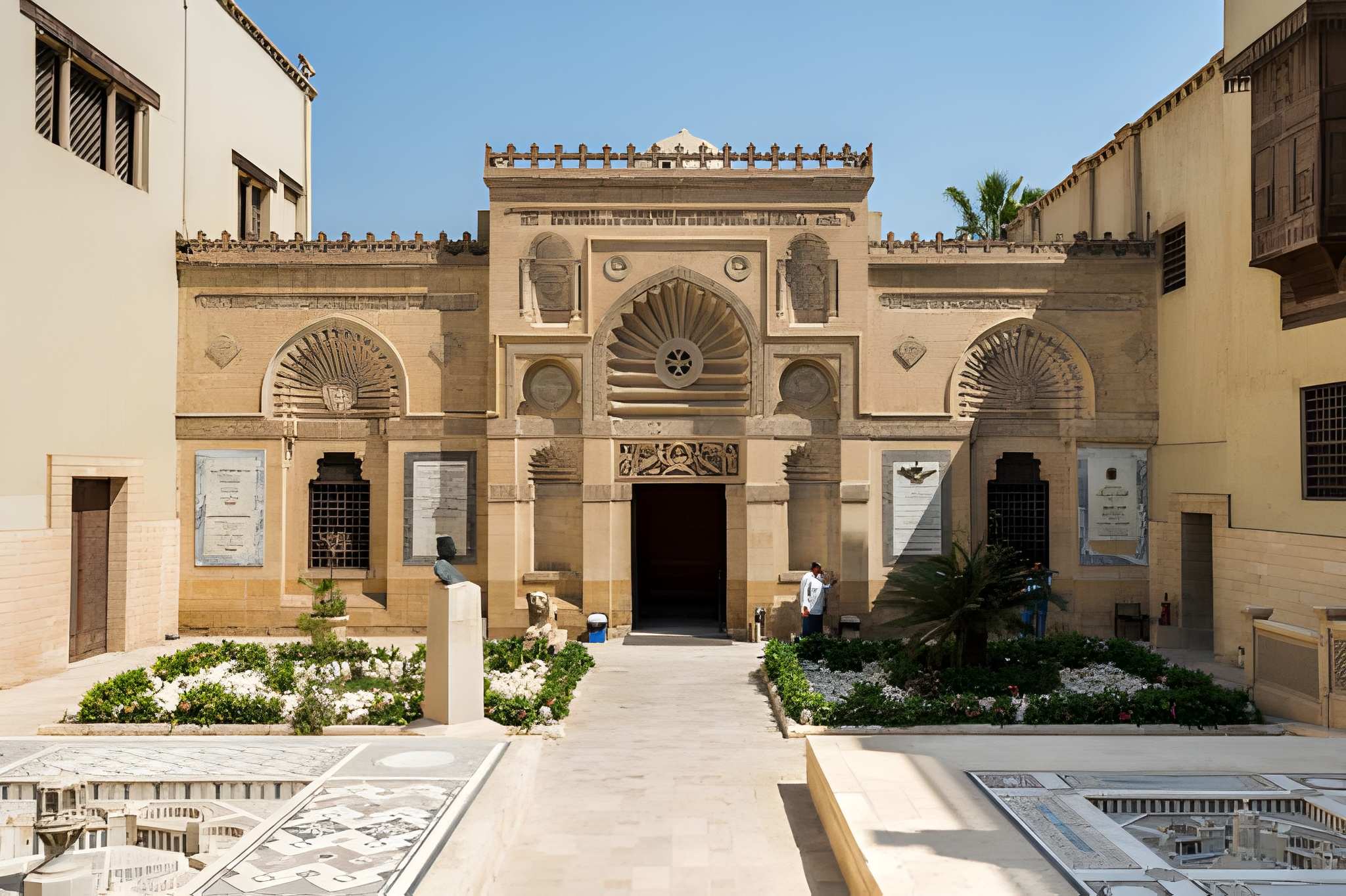
Walking through the Coptic Museum feels like entering a sacred work of art. The building’s façade, inspired by authentic Coptic patterns, features geometric carvings, wooden mashrabiyas, and lattice windows. Inside, arches and motifs echo early Christian basilicas while drawing upon pharaonic and Greco-Roman elements, revealing how Coptic design evolved through centuries of cultural exchange. The serene courtyards and ornate wooden ceilings create a tranquil atmosphere that complements the spiritual aura of the artifacts on display.
The museum’s architectural harmony mirrors the unity found in Egypt’s diverse artistic history. Those who have visited the awe-inspiring The Egyptian Museum will sense a parallel dedication to artistic preservation. Yet, the Coptic Museum offers something distinct—an intimate portrayal of faith through art, where every symbol, cross, and fresco carries theological significance balanced with timeless beauty.
Collections and Notable Artifacts Inside the Coptic Museum
The Coptic Museum’s vast collection—comprising over 16,000 pieces—chronicles more than 1,500 years of Coptic art. Each hall unveils a story through relics meticulously arranged in chronological order. Visitors encounter dazzling examples of stone reliefs, frescoes, textiles, manuscripts, and wood carvings that chart the evolution of Coptic aesthetics from the early Christian period through the Islamic era.
Among the gems are intricate Coptic textiles, world-famous for their vivid colors and detailed iconography. These fabrics once adorned the homes and churches of Egypt’s early Christians. Iconography plays a central role—saints, angels, and biblical narratives rendered with subtle symbolism. Moreover, the wooden panels and inlays reflect exceptional craftsmanship passed down through monasteries such as those near Red Monastery and White Monastery in Sohag.
Ancient Manuscripts and Sacred Texts
One of the Coptic Museum’s most prized possessions is its extensive manuscript collection. These centuries-old writings, penned in both Greek and Coptic, illuminate the evolution of early Christianity in Egypt. The Nag Hammadi Codices, discovered in 1945, contain Gnostic texts that broaden understanding of theological diversity within early Christian thought. Preserved behind protective glass, these manuscripts serve as a beacon for historians probing the origins of Christian mysticism and Egyptian spirituality.
Symbolism and Cultural Importance of Coptic Art
Coptic art represents the living pulse of Egypt’s Christian identity. Each artwork tells a spiritual narrative, blending ancient Egyptian iconography with Christian symbolism. The result is an extraordinary visual language that reflects continuity and adaptation. Crosses, peacocks, the Ankh, and the fish—common motifs in early Coptic art—bridge pagan customs with Christian faith, emphasizing the resurrection and eternity.
Throughout the museum, visitors can trace artistic techniques influenced by pharaonic artisanship, Hellenistic naturalism, and Roman realism. This unique aesthetic synthesis found expression in frescoes, icons, and architectural embellishments. Inside the museum’s galleries, one realizes how Egypt became a crucible of civilizations—each contributing brushstrokes to the masterpiece that is Coptic heritage.
The Coptic Museum’s Role in Modern Egyptian Identity
Beyond its artistic treasures, the Coptic Museum exerts a profound cultural and national influence. It stands as a reminder of Egypt’s multi-layered identity, where Christianity flourished harmoniously alongside Judaism and Islam. By preserving Coptic art, the museum connects modern Egyptians with a phase of their history that shaped national consciousness and spiritual tolerance. The site now forms part of Egypt’s heritage circuit alongside landmarks such as the The Hanging Church and Ben Ezra Synagogue.
Visiting the Coptic Museum: What to Expect
Visitors entering the museum are instantly greeted by a serene courtyard flanked with lush greenery and ancient stone fragments. The museum is well-structured, guiding guests through thematic sections representing different historical periods. Signage appears in both Arabic and English, while lighting accentuates textures and details of each artifact. Many travelers pair their Coptic Museum visit with other highlights of the religious quarter, including Abu Serga Church and the ancient remains of Roman Cairo.
Because of its compact yet comprehensive layout, exploring the museum generally takes one to two hours. Photography is permitted in some sections, allowing enthusiasts to capture memories against intricately carved backgrounds. Visitors who arrive early can enjoy peaceful exploration before larger tour groups arrive. It’s a delightful stop for culture seekers, spiritual pilgrims, or anyone indulging in Best Egypt Travel Packages.
Conservation Efforts and Restoration Projects
The Coptic Museum isn't merely a showcase of relics—it’s an active guardian of Egyptian Christian history. Restoration teams continually work to conserve delicate artifacts susceptible to the ravages of humidity and time. Modern preservation methods safeguard ancient textiles and manuscripts to ensure their legacy endures for future generations. Through partnerships with local and international research institutions, the museum contributes to global studies in art history, theology, and conservation science.
Exploring Coptic Cairo Beyond the Museum
A visit to the Coptic Museum places travelers at the heart of one of Cairo’s most historic quarters. Within walking distance lie several awe-inspiring landmarks that narrate Egypt’s evolving faith landscape. The Islamic Cairo district nearby dazzles with its mosques and bazaars, while ancient churches evoke a sense of divine serenity. History buffs adore combining this cultural immersion with trips to the Pyramids of Giza or enjoying moments of serenity on Best Nile River Cruises.
For those who prefer curated guidance, choosing the right tour itinerary can make a world of difference. Many travelers find inspiration in exclusive packages such as 10 Days Luxury Holiday Tour in Egypt with Nile Cruise, which often includes a day spent exploring Coptic Cairo’s timeless charm.
Visitor Tips for a Memorable Experience
To make the most of your Coptic Museum experience, time your v/tours/10-day-luxury-holiday-tour-egypt-nile-cruise-cairo-abu-simbel/isit during the morning to avoid crowds and absorb the site’s calm ambience. Dress modestly, as most attractions in Coptic Cairo are religious sites. Bring water and wear comfortable shoes, as the area involves some walking between churches and historical ruins. Photography enthusiasts should respect designated zones, while those seeking deeper insights may hire a professional tour guide. For personalized experiences, consider working with the Best Travel Agency in Egypt to tailor an itinerary that balances cultural exploration with relaxation.
Practical Information for Tourists
The Coptic Museum is open daily, typically from 9:00 a.m. to 5:00 p.m., with tickets available at the entrance. Students receive discounts upon presenting valid identification. The museum is easily accessible from central Cairo by taxi or metro, with the nearest stop being ‘Mar Girgis Station.’ Audio guides and brochures are available on-site, making it simple for visitors to explore independently. The museum’s gift shop offers locally crafted souvenirs and replicas of Coptic artwork, ideal keepsakes for remembering this extraordinary cultural encounter.
Why the Coptic Museum Belongs on Every Traveler’s Itinerary
Visiting the Coptic Museum transcends sightseeing—it’s a journey through time. The museum offers a nuanced lens into Egypt’s soul, revealing how cultures and beliefs interwove to shape one of the world’s oldest continuous civilizations. Whether you’re delving into the roots of Christianity in Africa, studying medieval art, or simply exploring the hidden corners of Cairo, the Coptic Museum enriches every perspective. It reminds us that Egypt isn’t just the land of the pharaohs and pyramids—it’s a cradle of faith, tolerance, and artistic innovation.
Frequently Asked Questions about The Coptic Museum
Where is the Coptic Museum located?
The Coptic Museum stands within the historical enclave of Old Cairo, near the ancient Babylon Fortress and the Mar Girgis metro station. It sits close to prominent religious landmarks like the Hanging Church, Abu Serga Church, and Ben Ezra Synagogue, forming part of Cairo’s rich religious heritage circuit.
What can visitors see inside the Coptic Museum?
Visitors can explore Coptic textiles, wood carvings, manuscripts, metalwork, sculptures, and iconography that illustrate Egypt’s Christian art evolution from the 2nd to 19th centuries. Highlights include the Nag Hammadi manuscripts and intricately decorated altarpieces from early churches. Every artifact tells a story of continuity between ancient and medieval Egypt.
How long should I spend at the Coptic Museum?
Most visitors spend between one and two hours exploring the museum’s galleries. Those interested in art history, theology, or archaeology may wish to stay longer to examine the detailed iconography and symbolic artwork embedded in its architecture and displays.
What’s the best time to visit the Coptic Museum?
The ideal time to visit is in the morning when the museum is quiet, and light filters beautifully through its lattice windows. Cooler months between October and April are recommended for comfortable weather while exploring the broader Old Cairo district.
Is the Coptic Museum suitable for family visits?
Absolutely. The museum offers a calm, educational environment ideal for families. Its vivid displays captivate children and adults alike, while its courtyards provide peaceful spaces for reflection. It’s a family-friendly destination, often included in culturally oriented packages like Best Family Holidays in Egypt.
Related Reading
Ready to see this on a tour?
Explore our handpicked Egypt tours and day trips that visit this and other highlights.