The Karnak Temple: An Epic Journey Through Egypt’s Ancient Marvel
Set along the east bank of the Nile in Luxor, the Karnak Temple stands as one of the world’s most astonishing open-air museums and a testament to ancient Egypt’s architectural brilliance. Spanning over 2,000 years of continuous construction and expansion, Karnak is not merely a temple—it’s a sprawling complex that captures the grandeur, spirituality, and power of the pharaohs. Whether you’re a history enthusiast, an architecture lover, or a curious traveler, visiting Karnak is an unforgettable experience that immerses you in the heart of Egyptian civilization.
The Historical Significance of Karnak Temple
Karnak’s history stretches back nearly 4,000 years, with construction beginning during the Middle Kingdom (around 2000 BCE) and continuing through the Ptolemaic period. The site was primarily dedicated to Amun-Ra, the chief deity of the Theban Triad, but also honored Mut and Khonsu. Each successive pharaoh left their mark, resulting in a layered tapestry of art, inscriptions, and architecture. The temple complex was not only a religious center but also a political and economic hub, reflecting the changing fortunes and ambitions of Egypt’s rulers.
Highlights of the Karnak Temple Complex
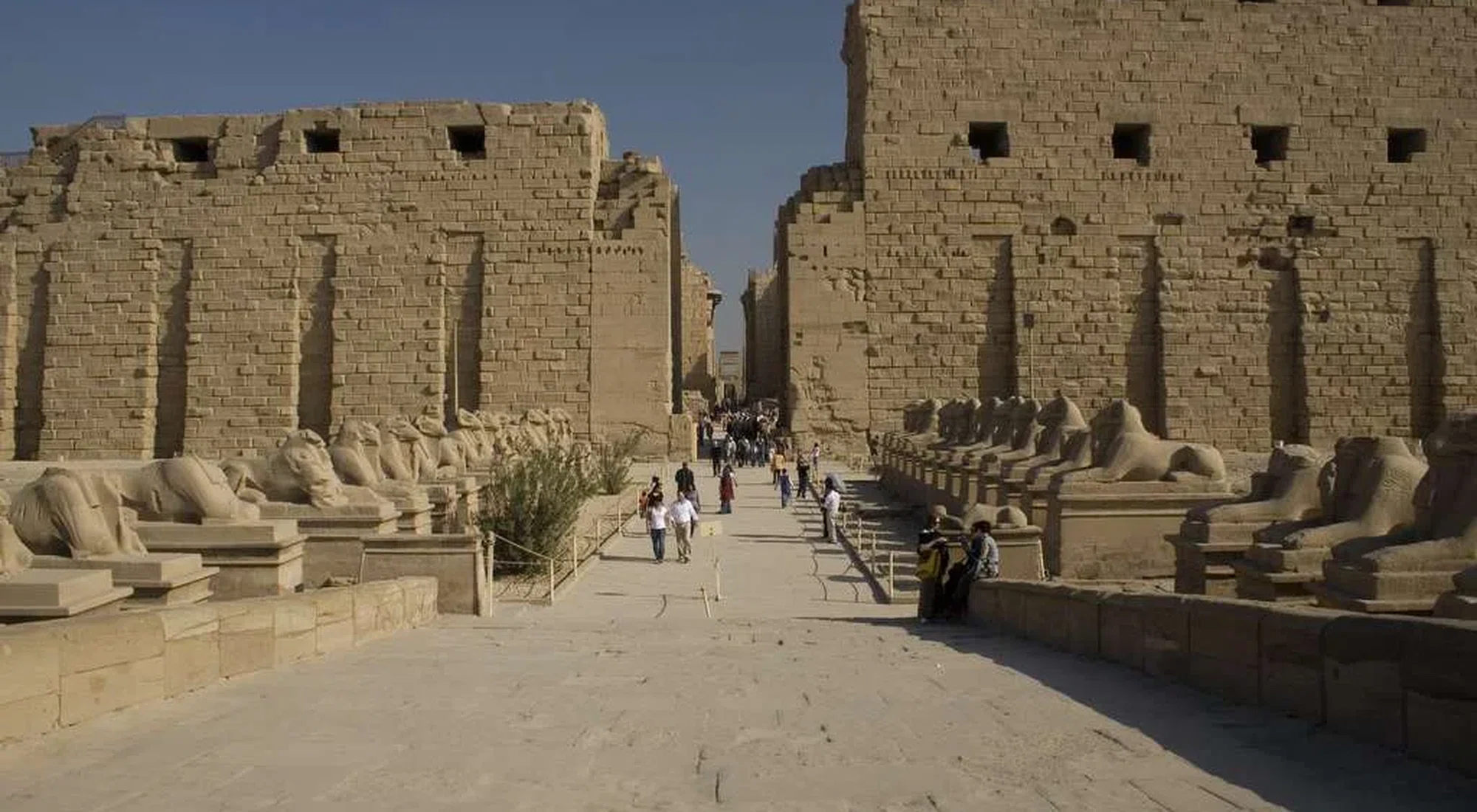
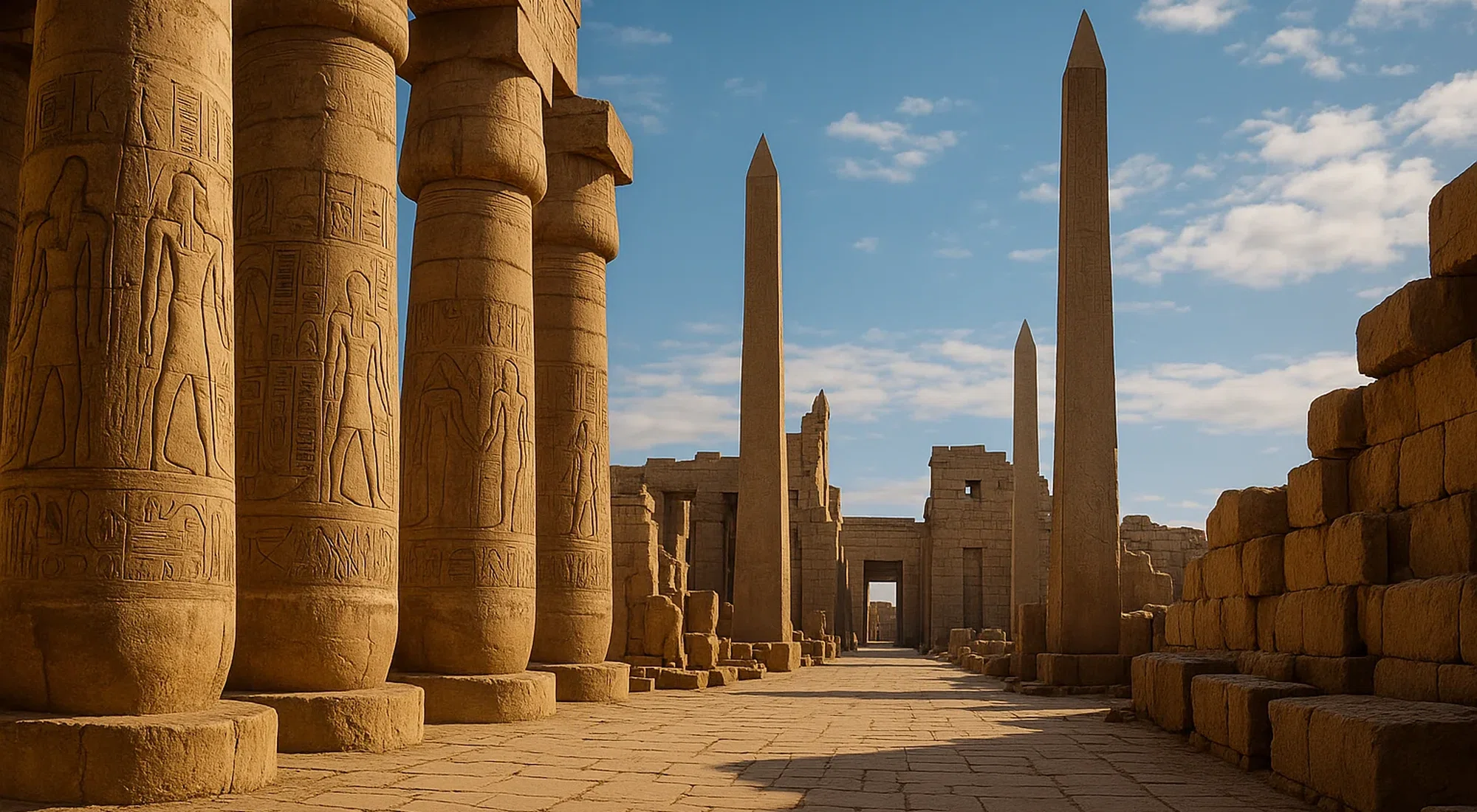
The Karnak complex is vast, covering over 200 acres, and is divided into four main precincts. The most famous and accessible is the Precinct of Amun-Ra, which houses the largest structures. Notable highlights include the awe-inspiring Hypostyle Hall, with its 134 colossal columns, the Sacred Lake, the obelisks of Hatshepsut and Thutmose I, and the avenue of sphinxes that once connected Karnak to Luxor Temple. Each monument within Karnak tells a unique story, offering a glimpse into the rituals and ceremonies that once animated its sacred spaces.
Architectural Marvels and Artistic Wonders
Walking through Karnak, visitors are struck by the scale and intricacy of its architecture. The Hypostyle Hall, often regarded as one of the greatest achievements of ancient Egyptian engineering, features columns soaring up to 21 meters high, adorned with vivid hieroglyphics and bas-reliefs. The temple’s pylons, courtyards, and sanctuaries are decorated with scenes depicting pharaohs making offerings to the gods, military victories, and religious festivals. The artistry on display is a testament to the skill and devotion of countless generations of craftsmen.
Planning Your Visit: Practical Tips
To fully appreciate Karnak’s grandeur, plan to spend at least two to three hours exploring its precincts. The site is open daily, typically from sunrise to sunset, though hours may vary seasonally. Early morning or late afternoon visits are recommended to avoid the midday heat and crowds. Comfortable walking shoes, sun protection, and plenty of water are essential. Guided tours are widely available and highly recommended, as knowledgeable guides can help decode the complex’s history and symbolism, enhancing your experience.
Experiencing the Sound and Light Show
One of the most memorable ways to experience Karnak Temple is by attending the nightly Sound and Light Show. This multimedia spectacle brings the temple’s history to life through dramatic narration, music, and colorful lighting that highlights the site’s most iconic features. The show is offered in several languages and provides a magical atmosphere as the ancient stones glow under the night sky. It’s an excellent option for families and anyone seeking a deeper emotional connection to Karnak’s storied past.
Nearby Attractions and Activities
Karnak’s location in Luxor makes it an ideal starting point for exploring other remarkable sites in the region. Just a short distance away lies the Luxor Temple, connected to Karnak by the recently restored Avenue of Sphinxes. Across the Nile, the West Bank boasts the Valley of the Kings, the Valley of the Queens, and the mortuary temples of Hatshepsut and Ramses III. Luxor’s vibrant souks, museums, and river cruises offer additional opportunities to immerse yourself in Egypt’s rich culture and hospitality.
Understanding the Religious Importance of Karnak
Karnak was more than a collection of temples; it was the spiritual heart of ancient Egypt. The annual Opet Festival, during which the statue of Amun-Ra was transported from Karnak to Luxor Temple, symbolized the renewal of kingship and the unity of the land. Priests performed daily rituals to honor the gods and maintain ma’at, the cosmic order. Even today, the site’s sacred energy is palpable, inviting visitors to reflect on the enduring legacy of faith and tradition that shaped Egypt’s civilization.
Photography Tips and Visitor Etiquette
With its dramatic columns, intricate carvings, and play of light and shadow, Karnak offers endless opportunities for stunning photography. Arrive early to capture the golden hues of sunrise or stay for the soft glow of sunset. Tripods may be restricted, so check local regulations. Respect the site by not climbing on monuments or touching delicate carvings. As a place of historical and cultural significance, Karnak deserves mindful exploration—take your time, listen to the stories etched in stone, and let the temple’s grandeur leave a lasting impression.
Frequently Asked Questions
What is the best time of year to visit Karnak Temple?
The ideal time to visit Karnak Temple is between October and April, when temperatures are milder and more comfortable for outdoor exploration. The summer months can be extremely hot, especially around midday, so plan your visit during the cooler parts of the day if traveling in that season.
How much time should I allocate for a visit?
Most visitors spend two to three hours exploring Karnak Temple, but history enthusiasts or photographers may wish to stay longer. Consider joining a guided tour for a more in-depth understanding of the site’s history and architecture.
Are there facilities available at the temple complex?
Yes, the Karnak Temple complex has visitor facilities, including restrooms, a small café, and a souvenir shop. However, it’s advisable to bring water and sun protection, as the site can get very hot and shaded areas are limited.
Can I buy tickets online or do I need to purchase them at the entrance?
Tickets for Karnak Temple are typically purchased at the entrance. However, some tour operators and travel agencies may offer advance booking as part of guided tour packages. It’s always a good idea to check in advance, especially during peak travel seasons.
Is Karnak Temple accessible for people with mobility issues?
The temple complex covers a large area with uneven pathways, ancient stone floors, and steps. While some areas are accessible, others may be challenging for visitors with limited mobility. It’s recommended to contact the site in advance or consult with your tour operator about accessibility options.
Are there any restrictions for photography or filming?
Photography for personal use is generally allowed throughout Karnak Temple, but the use of tripods or professional equipment may require special permission. Flash photography is discouraged in certain areas to protect ancient carvings. Always respect posted guidelines and instructions from staff.
Ready to see this on a tour?
Explore our handpicked Egypt tours and day trips that include this and other highlights.