Valley of the Kings: Egypt’s Timeless Necropolis
The Valley of the Kings stands as one of the world's most iconic archaeological sites, drawing travelers, historians, and adventurers to its sun-baked tombs on the west bank of the Nile near Luxor, Egypt. This legendary necropolis, carved into the arid cliffs, is a testament to the grandeur and mystery of ancient Egypt. For centuries, the Valley has captivated imaginations with its hidden treasures, intricate wall paintings, and the stories of pharaohs who once ruled a mighty civilization. Whether you are a history enthusiast, an intrepid explorer, or simply seeking awe-inspiring sights, a visit to the Valley of the Kings promises an unforgettable journey into the heart of Egypt’s past.
The History and Significance of the Valley of the Kings
The Valley of the Kings, known in ancient times as "The Great and Majestic Necropolis of the Millions of Years of Pharaoh," served as the principal burial site for Egypt’s New Kingdom rulers (16th–11th century BCE). The valley was chosen for its secluded location, natural protection, and proximity to Thebes, the ancient capital. Over 60 tombs have been discovered here, belonging to pharaohs, nobles, and powerful officials, including the legendary Tutankhamun, Ramses II, and Seti I. The tombs were meticulously constructed to safeguard the deceased and their treasures for eternity, reflecting the ancient Egyptians’ complex beliefs about the afterlife. The Valley’s enduring significance lies not only in its royal occupants but also in the wealth of art, hieroglyphics, and artifacts that provide invaluable insights into Egypt’s golden age.
Exploring the Tombs: What to Expect
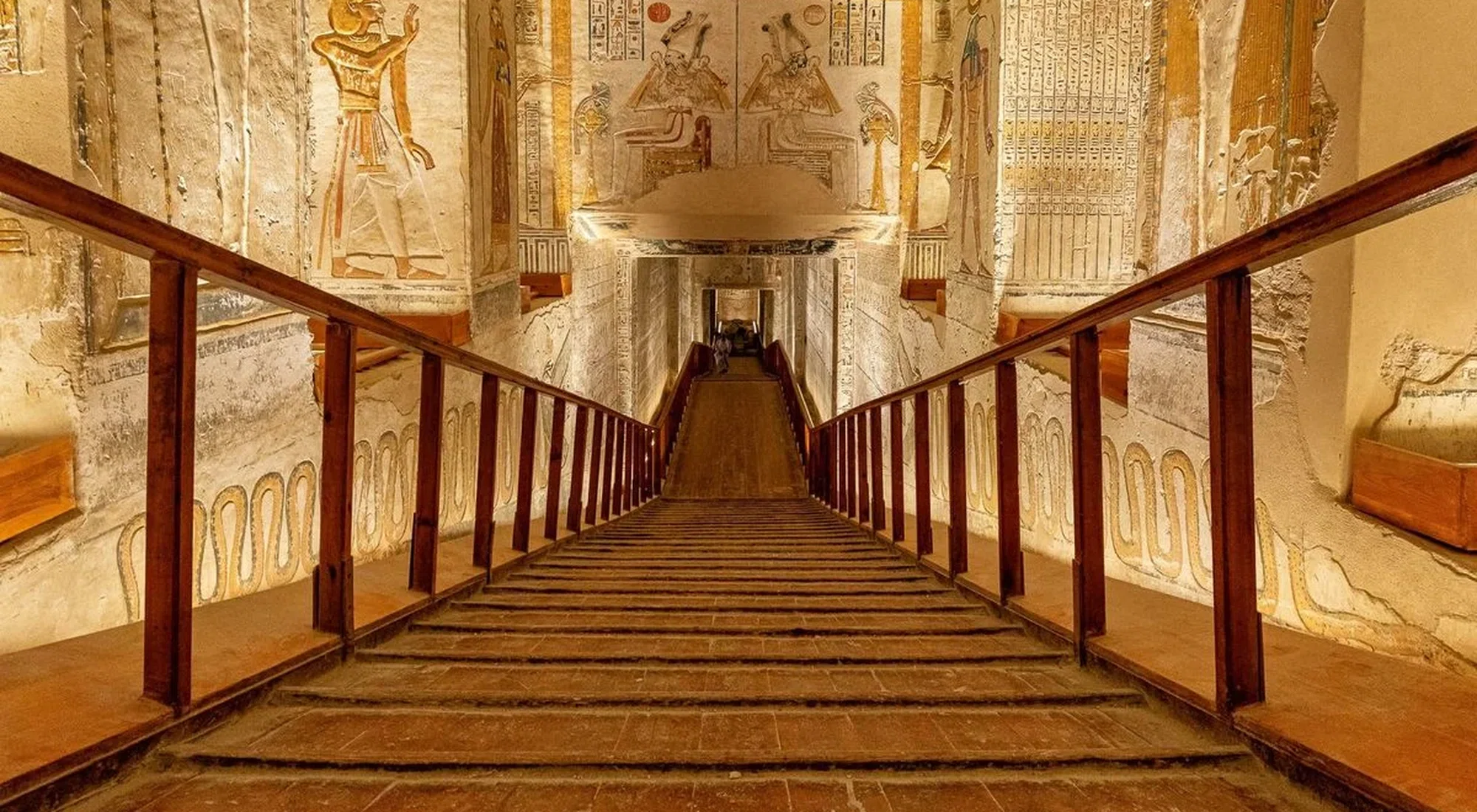
Visiting the Valley of the Kings is an awe-inspiring experience. The tombs, cut deep into limestone hills, vary in size, complexity, and decoration. Some are simple shafts, while others are elaborate networks of corridors and chambers adorned with vivid wall paintings depicting religious texts, funerary rituals, and scenes from the Book of the Dead. Not all tombs are open to the public at any given time, as preservation efforts rotate access to minimize environmental damage. Among the most popular tombs are those of Tutankhamun (KV62), Ramses VI (KV9), and Merenptah (KV8). Each offers a unique glimpse into the funerary practices and artistic achievements of ancient Egypt. Be prepared for narrow passageways, steep steps, and the thrill of walking in the footsteps of pharaohs.
How to Get There: Access and Transportation
The Valley of the Kings is located about 25 kilometers (15 miles) west of Luxor, making the city the ideal base for your visit. Most travelers reach the valley by joining organized tours, hiring a private guide, or taking a taxi from Luxor. Alternatively, adventurous visitors can cross the Nile by ferry and rent bicycles or donkeys for a more traditional journey through the West Bank’s villages and fields. The main entrance to the valley is well-marked, with a modern visitor center offering maps, tickets, and essential information. Early morning visits are recommended to avoid the midday heat and crowds, ensuring a more comfortable and contemplative experience.
Visitor Tips: Planning Your Trip
To make the most of your visit to the Valley of the Kings, consider these practical tips. First, dress appropriately for the desert climate: lightweight, breathable clothing, a wide-brimmed hat, sunglasses, and sturdy shoes are essential. Bring plenty of water and sunscreen, as shade is scarce. Photography is restricted inside most tombs, so check the latest regulations before your visit—special photography tickets may be available for an additional fee. Tickets to the valley include entry to a select number of tombs, with additional tickets required for special sites like Tutankhamun’s tomb. Hiring a knowledgeable guide can greatly enhance your understanding of the site’s history and significance. Finally, allow ample time to explore the valley’s surroundings, including the nearby Valley of the Queens and the stunning Temple of Hatshepsut.
Highlights of the Valley: Must-See Tombs
While every tomb in the Valley of the Kings offers something unique, a few stand out for their historical importance and artistic splendor. Tutankhamun’s tomb, though modest in size, is celebrated for its discovery by Howard Carter in 1922 and the dazzling treasures it once contained. Ramses VI’s tomb impresses with its vast corridors and well-preserved astronomical ceiling. The tomb of Seti I is renowned for its elaborate reliefs and vibrant colors, considered among the finest in Egypt. Merenptah’s tomb, one of the largest, features intricate carvings and a massive granite sarcophagus. Visiting these tombs allows travelers to appreciate the evolution of royal burial practices and the enduring legacy of Egypt’s pharaohs.
The Art and Symbolism of Tomb Decorations
The Valley of the Kings is a treasure trove of ancient Egyptian art. The tomb walls are adorned with scenes from the afterlife, gods and goddesses, and sacred texts designed to protect and guide the deceased. The use of color, symbolism, and hieroglyphic inscriptions reflects the Egyptians’ profound spiritual beliefs. Blue and gold dominate the ceilings, representing the heavens and the divine. Images of Osiris, Anubis, and Ra abound, each playing a crucial role in the journey to the afterlife. Many tombs feature the Amduat and the Book of Gates, illustrating the soul’s passage through the underworld. The artistry and craftsmanship displayed in these decorations are a testament to the skills of ancient Egyptian artisans and their devotion to ensuring the pharaohs’ eternal life.
Conservation and Preservation Efforts
Preserving the Valley of the Kings is a constant challenge. The tombs are vulnerable to natural and human-induced threats, including humidity, rising groundwater, tourism, and even the breath and body heat of visitors. Egyptian authorities, in collaboration with international organizations, have implemented measures such as installing ventilation systems, limiting visitor numbers, and rotating tomb access to reduce wear and tear. Ongoing archaeological research continues to uncover new tombs and artifacts, shedding light on the valley’s mysteries while emphasizing the need for responsible tourism. Visitors are encouraged to respect the site by following guidelines, avoiding touching walls, and supporting conservation initiatives. The balance between making the valley accessible and preserving its treasures for future generations remains a top priority.
Nearby Attractions: Exploring Luxor’s West Bank
The Valley of the Kings is just one highlight of Luxor’s West Bank, an area rich in archaeological wonders. After exploring the valley, consider visiting the nearby Valley of the Queens, where royal women and children were laid to rest in beautifully decorated tombs. The Mortuary Temple of Hatshepsut, with its striking terraces and colonnades, offers breathtaking views and insight into one of Egypt’s most remarkable female pharaohs. The Colossi of Memnon, two massive statues of Amenhotep III, stand guard over the Theban necropolis and are a popular photo stop. Don’t miss the Ramesseum and Medinet Habu temples, which showcase the architectural and artistic achievements of the New Kingdom. A day spent on Luxor’s West Bank provides a comprehensive look at ancient Egypt’s splendor and enduring legacy.
Practical Information and Accessibility
The Valley of the Kings is open year-round, with opening hours typically from early morning until late afternoon. Entrance fees vary depending on the number of tombs included and whether you wish to visit special sites. The visitor center offers restrooms, a small café, and a gift shop. Most of the valley is accessible by paved paths, but some tombs require navigating steep steps and uneven ground, which may pose challenges for those with mobility issues. English-speaking guides are available for hire at the entrance, and informational signage is provided in multiple languages. For a more immersive experience, consider combining your visit with a hot air balloon ride over the West Bank at sunrise, offering stunning aerial views of the Nile and the surrounding desert landscape.
Frequently Asked Questions
What is the best time of year to visit the Valley of the Kings?
The best time to visit is during the cooler months from October to April, when temperatures are more comfortable for exploring the tombs and the surrounding area. Summer can be extremely hot, with temperatures often exceeding 40°C (104°F).
How long should I plan to spend at the Valley of the Kings?
Most visitors spend between two to four hours exploring the valley, depending on how many tombs they wish to visit and whether they hire a guide. If you plan to visit nearby attractions on the West Bank, consider setting aside a full day.
Are children allowed in the Valley of the Kings?
Yes, children are welcome, but parents should be aware that the tombs involve steep steps and confined spaces. It’s important to supervise children closely and ensure they respect the site’s rules and preservation efforts.
Is photography allowed inside the tombs?
Photography regulations change periodically. In most tombs, standard photography is prohibited to protect the delicate wall paintings, but special photography tickets may be available for an additional fee. Always check the latest rules at the entrance.
Can I visit the Valley of the Kings independently, or do I need a guide?
You can visit independently, but hiring a guide is highly recommended for a deeper understanding of the site’s history, art, and significance. Guides can be arranged at the entrance or as part of an organized tour from Luxor.
Are there facilities for food and drink at the Valley of the Kings?
There is a small café at the visitor center offering drinks and snacks. However, it’s wise to bring your own water and light refreshments, especially during the hotter months, as options inside the valley are limited.
Ready to see this on a tour?
Explore our handpicked Egypt tours and day trips that include this and other highlights.