
Alexander’s Visit To Siwa: The Temple Where A King Became A God
Alexander the Great’s journey to the Siwa Oasis in Egypt was a pivotal moment in his life, culminating in his visit to the Oracle of Amun at the Temple of Siwa. Here, he was declared the son of the god Amun, elevating his status from a mortal king to a divine ruler in the eyes of both Egyptians and Greeks. This historic event forever linked Siwa to Alexander’s legend and made the temple a site of enduring fascination.
Key Takeaways
- The Temple of the Oracle at Siwa is where Alexander the Great was proclaimed the son of Amun, cementing his divine status.
- Siwa Oasis is located deep in Egypt’s Western Desert, about 560 km from Cairo, and is renowned for its unique culture and history.
- The ruins of the Temple of the Oracle are still accessible to visitors and remain a highlight of any trip to Siwa.
- Siwa’s remote location preserves its Berber traditions and natural beauty, making it a distinctive destination for adventurous travelers.
The Historical Context: Why Alexander Came to Siwa
In 331 BCE, after conquering Egypt, Alexander the Great set his sights on Siwa Oasis, a remote and mystical place famous for its Oracle of Amun. The oracle was believed to possess the power to communicate with the gods, and rulers from across the ancient world sought its guidance. Alexander’s journey was both a political and spiritual quest: he sought divine legitimacy as pharaoh of Egypt and validation of his claim to be the son of Zeus-Ammon, the Egyptian equivalent of the Greek god Zeus.
Traveling across the harsh Western Desert, Alexander and his entourage braved sandstorms and dehydration to reach Siwa’s sacred temple. His successful arrival and the oracle’s pronouncement would have far-reaching consequences for his reign and legacy.
The Temple of the Oracle: Architecture and Mystique
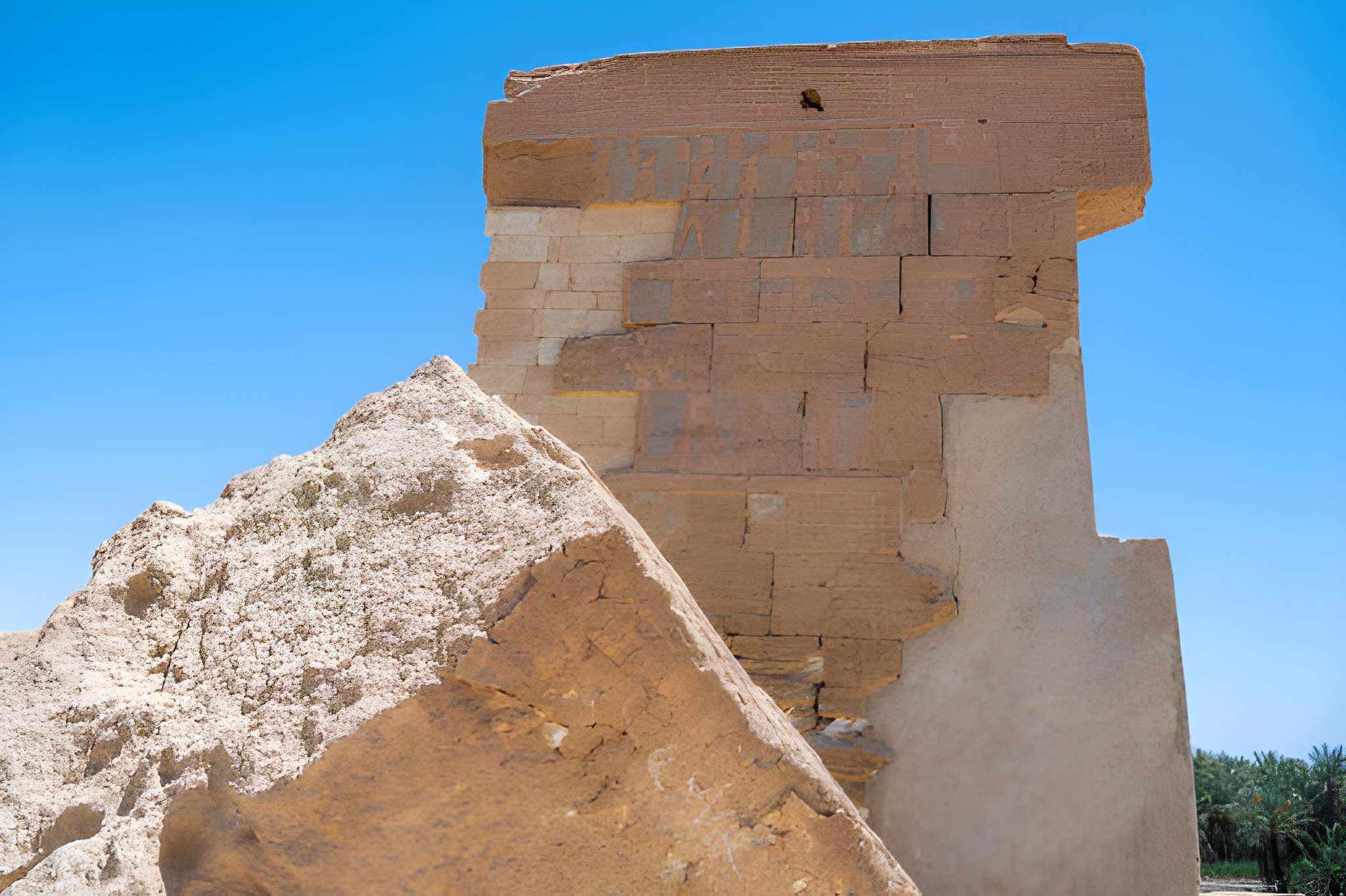
The Temple of the Oracle, also known as the Temple of Amun, stands atop a limestone outcrop known as Aghurmi Hill. Built in the 6th century BCE, the temple was already ancient by the time of Alexander’s visit. The structure features thick mud-brick walls and a layout typical of Egyptian sanctuaries, with a central chamber where the oracle would deliver pronouncements. The temple’s weathered remains evoke the mystical atmosphere that once drew pilgrims from across the Mediterranean world.
Visitors today can walk among the ruins, imagining the moment when Alexander stood before the oracle, seeking answers that would shape the ancient world. The temple’s isolated setting and the surrounding palm groves enhance its otherworldly charm.
Alexander’s Divine Revelation: The Oracle’s Pronouncement
According to ancient sources, Alexander’s audience with the oracle was a closely guarded secret. What was said in the sanctuary has been the subject of speculation for centuries. Most historians agree that the oracle greeted Alexander as the son of Amun (Zeus-Ammon), confirming his divine heritage. This pronouncement legitimized his rule over Egypt and bolstered his authority among his troops and subjects.
Alexander’s visit to Siwa was not merely a religious pilgrimage—it was a masterstroke of political theater. By aligning himself with the gods of Egypt, he secured the loyalty of his new subjects and reinforced his image as a world conqueror with a divine mission.
Siwa Oasis: A Desert Sanctuary
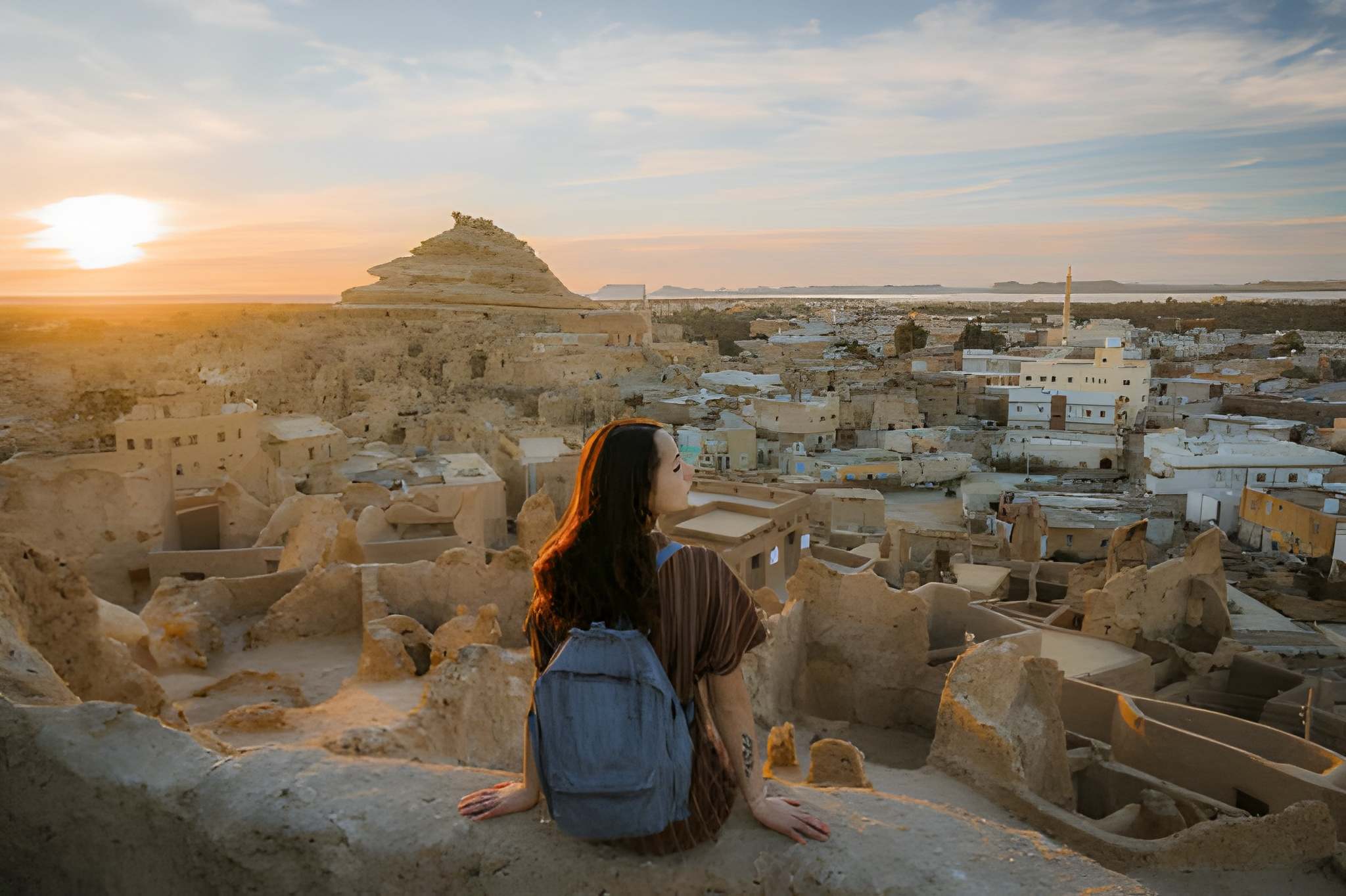
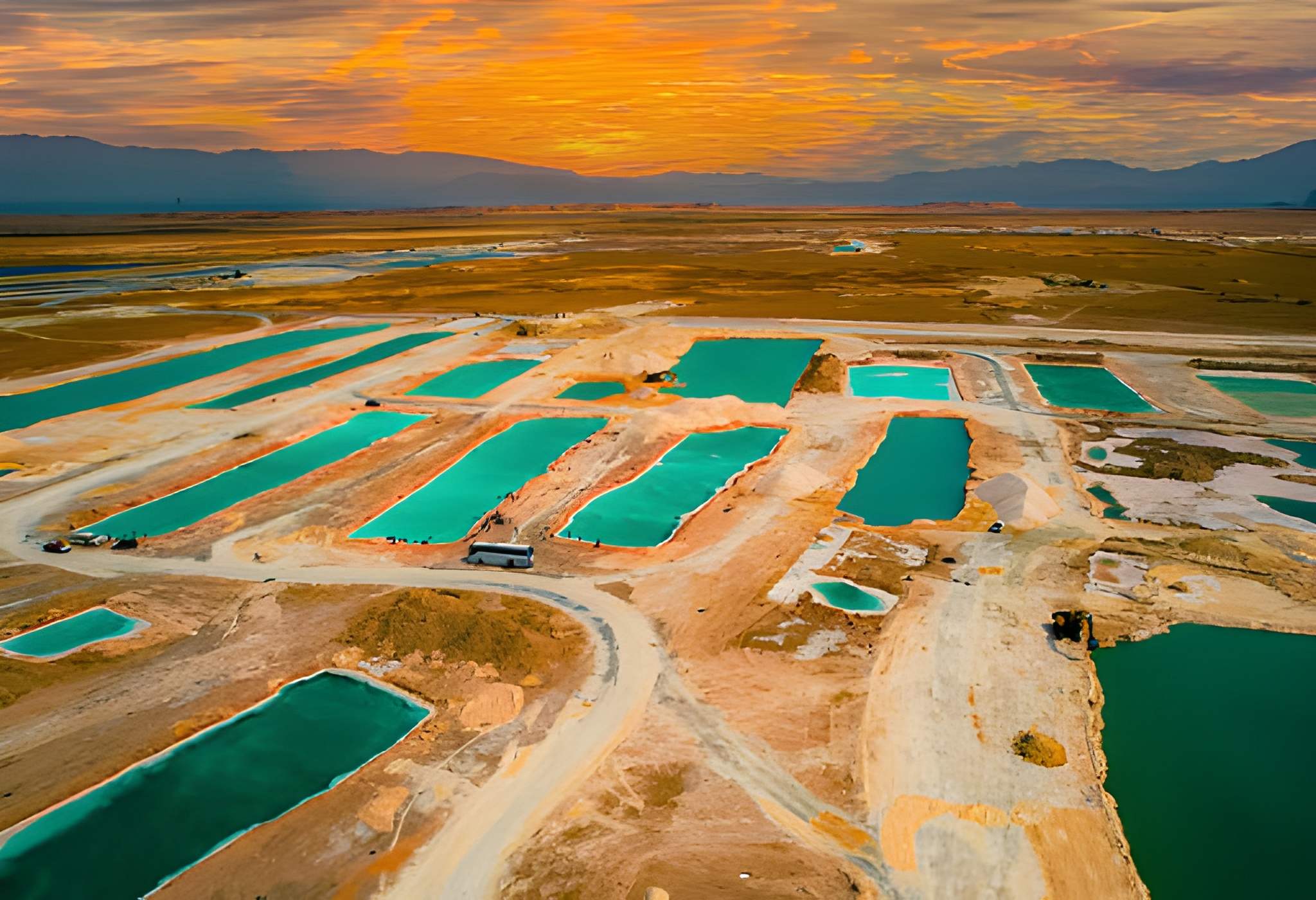
Siwa Oasis is a lush island of green in the vast Western Desert, surrounded by sand dunes and salt lakes. Its isolation has preserved the unique Siwan Berber culture, language, and customs. The oasis is famous for its date palms, olive groves, and natural springs, which have sustained its inhabitants for thousands of years.
Travelers to Siwa can explore its traditional mud-brick villages, ancient fortresses, and vibrant markets. The oasis offers a tranquil escape from Egypt’s bustling cities and a glimpse into a way of life shaped by the desert environment. For those interested in Egypt’s diverse landscapes, Siwa stands out as a must-see destination among the best cities to visit in Egypt.
Visiting the Temple Today: What to Expect
Modern visitors to Siwa can tour the ruins of the Temple of the Oracle, which remain remarkably evocative despite centuries of weathering. The site is accessible by foot or bicycle from the town center, and local guides are available to share stories of Alexander and the temple’s history. The best time to visit is during the cooler months, from October to March, when the desert climate is more comfortable for exploration.
In addition to the temple, Siwa offers a range of attractions, from the salt lakes to the historic Shali Fortress and the nearby Dakrour Mountain, known for its therapeutic sand baths. For those seeking a truly immersive experience, consider exploring the natural wonders of the region, such as Dakrour Mountain, which is steeped in local legend and healing traditions.
How to Reach Siwa Oasis
Reaching Siwa Oasis requires planning, as its remote location means there are no direct flights or train lines. Most travelers journey by road from Cairo or Marsa Matrouh, with the latter offering a shorter drive of about 300 km through the desert. Private cars, shared taxis, and organized tours are the most common ways to reach Siwa. The journey itself is part of the adventure, offering stunning views of the desert landscape and glimpses of traditional Bedouin life along the way.
For those interested in customizing their trip, services like Tailor a Tour can help travelers design an itinerary that includes Siwa and other Egyptian highlights, ensuring a seamless and memorable experience.
Other Temples with Oracles in Egypt
While the Temple of the Oracle at Siwa is the most famous for its association with Alexander, Egypt is home to several other temples that once housed oracles and played significant roles in the spiritual life of the ancient world. The Temple of Abydos was a major pilgrimage site dedicated to Osiris, and many Egyptians believed that communicating with the gods could bring blessings or predict the future. Similarly, the Temple of Dendera was renowned for its astronomical ceiling and the cult of Hathor, attracting visitors seeking divine guidance.
Travelers with a passion for ancient history may wish to explore these sites as well, learning more about Abydos Temple and Dandara Temple on their journeys through Egypt’s rich archaeological landscape.
Experiencing Siwa: Culture, Festivals, and Local Life
Siwa is not just about ancient ruins—its living culture is equally captivating. The Siwan people speak their own Berber dialect and maintain customs distinct from the rest of Egypt. Traditional dress, music, and crafts are on display in the oasis’s markets and during local festivals. One of the most famous events is the Siyaha Festival, held annually at Dakrour Mountain, where Siwans gather for three days of feasting, music, and reconciliation rituals.
Visitors are welcomed with warm hospitality and encouraged to participate in local traditions, from sampling Siwan cuisine to learning about the region’s unique architecture. The blend of ancient history and vibrant culture makes Siwa a destination unlike any other in Egypt.
Planning Your Trip: Practical Tips for Visiting Siwa
When planning a visit to Siwa, travelers should be prepared for its remote setting. Accommodation ranges from eco-lodges and boutique hotels to traditional guesthouses, many built from local materials and designed to blend with the landscape. It’s advisable to book in advance, especially during festival seasons. Pack sun protection, comfortable walking shoes, and layers for cool desert nights.
Guided tours can enhance your experience by providing historical context and access to lesser-known sites. For travelers looking to combine Siwa with other Egyptian destinations, consider browsing options under Egypt Day Tours to create a diverse and enriching itinerary.
Frequently Asked Questions
Why did Alexander the Great visit Siwa Oasis?
Alexander the Great visited Siwa Oasis to consult the Oracle of Amun, seeking confirmation of his divine status and legitimacy as pharaoh of Egypt.
What did the Oracle of Siwa declare about Alexander?
The Oracle of Siwa greeted Alexander as the son of Amun, effectively proclaiming him to be of divine origin and legitimizing his rule over Egypt.
Can visitors still see the Temple of the Oracle today?
Yes, visitors can explore the ruins of the Temple of the Oracle at Siwa, which remain a highlight of the oasis and are open to the public.
How do you get to Siwa Oasis from Cairo?
Siwa Oasis can be reached by road from Cairo or Marsa Matrouh, with private cars, shared taxis, and organized tours being the most common transportation options.
What else can you do in Siwa besides visiting the temple?
In addition to the temple, visitors can enjoy Siwa’s natural springs, salt lakes, Dakrour Mountain, Shali Fortress, and experience the unique Siwan culture and festivals.
When is the best time to visit Siwa Oasis?
The best time to visit Siwa Oasis is from October to March, when the weather is cooler and more comfortable for exploring the desert and historical sites.