
Music In Ancient Egypt: Harps, Sistrums And Temple Singers
Music in ancient Egypt was deeply woven into daily life, religious rituals, and royal ceremonies. Instruments like harps and sistrums, along with the voices of temple singers, played a central role in worship and entertainment. These musical traditions reveal the sophistication and spiritual significance of sound in the Nile Valley’s civilization.
Key Takeaways
- Ancient Egyptian music featured distinctive instruments such as harps, sistrums, and flutes.
- Temple singers and musicians held prestigious roles in religious and state ceremonies.
- Sistrums were sacred instruments, strongly associated with the goddess Hathor.
- Music was present in daily life, from agricultural festivals to royal courts.
- Many ancient musical instruments and scenes are preserved in tomb paintings and artifacts.
The Role of Music in Ancient Egyptian Society
Music permeated nearly every aspect of ancient Egyptian society. From the bustling markets of Thebes to the tranquil banks of the Nile, melodies and rhythms accompanied both mundane and sacred moments. Music was not just an art form but a vital expression of joy, sorrow, reverence, and power. It was used to honor gods, celebrate harvests, and mark life’s milestones, including births, marriages, and funerals. The prominence of musicians in tomb art and written records highlights their respected status, especially among temple singers and court performers.
The Ancient Egyptian Harp: Symbol of Harmony
The harp, or “benet,” was among the most iconic instruments in ancient Egypt. Early harps were arched and lacked a pillar, producing a soft, resonant sound ideal for intimate gatherings and religious ceremonies. Over time, harps grew larger and more ornate, sometimes reaching over a meter in height. Harpists were frequently depicted in tomb paintings, often shown serenading nobility or participating in temple rituals. The harp’s association with harmony and the afterlife made it a favored instrument for funerary rites, believed to soothe the soul’s journey beyond.
Sistrums: The Sacred Rattle of the Gods
The sistrum, a handheld percussion instrument, was revered for its mystical properties. Crafted from bronze or faience, it featured a U-shaped frame with loose metal rods that jingled when shaken. The sistrum was closely linked to the goddess Hathor, the deity of music, fertility, and joy. Priestesses wielded sistrums during temple rituals, believing the sound could appease the gods and drive away evil spirits. The instrument’s sacred status is evident in countless temple reliefs and statues, where sistrum bearers are depicted in acts of worship.
Temple Singers and Musicians: Voices of the Divine
Temple singers, known as “heset,” played a vital role in the spiritual life of ancient Egypt. These highly trained vocalists, often women, performed hymns and chants to honor deities during daily rituals and grand festivals. Their music was considered an offering as precious as incense or food. Temple musicians accompanied singers with harps, flutes, and percussion, creating a harmonious backdrop for prayers and processions. The prestige of temple singers was such that their names and titles were sometimes inscribed in tombs, a rare honor reflecting their importance in religious society.
Other Musical Instruments of Ancient Egypt
Beyond harps and sistrums, ancient Egyptians played a wide array of instruments. Flutes, often made from reed or wood, produced haunting melodies that echoed across temple courtyards. The lute, introduced from the Near East, gained popularity in the New Kingdom and was favored by professional musicians. Percussion instruments, such as clappers and drums, provided rhythmic accompaniment for dances and processions. Trumpets and double pipes (aulos) were used in military and ceremonial contexts, adding to the rich tapestry of ancient Egyptian soundscapes.
Music in Rituals, Festivals, and Daily Life
Music was inseparable from Egyptian festivals and religious ceremonies. During major events like the Opet Festival in Thebes, processions of musicians, dancers, and singers filled the streets with vibrant sounds. In everyday life, music accompanied agricultural work, boat journeys, and family celebrations. The close relationship between music and ritual is evident in the way certain instruments, such as the sistrum, were restricted to temple use, while others, like the flute and drum, permeated secular gatherings. The enduring presence of music in all walks of life is a testament to its cultural significance.
Musical Iconography: Tomb Paintings and Real Artifacts
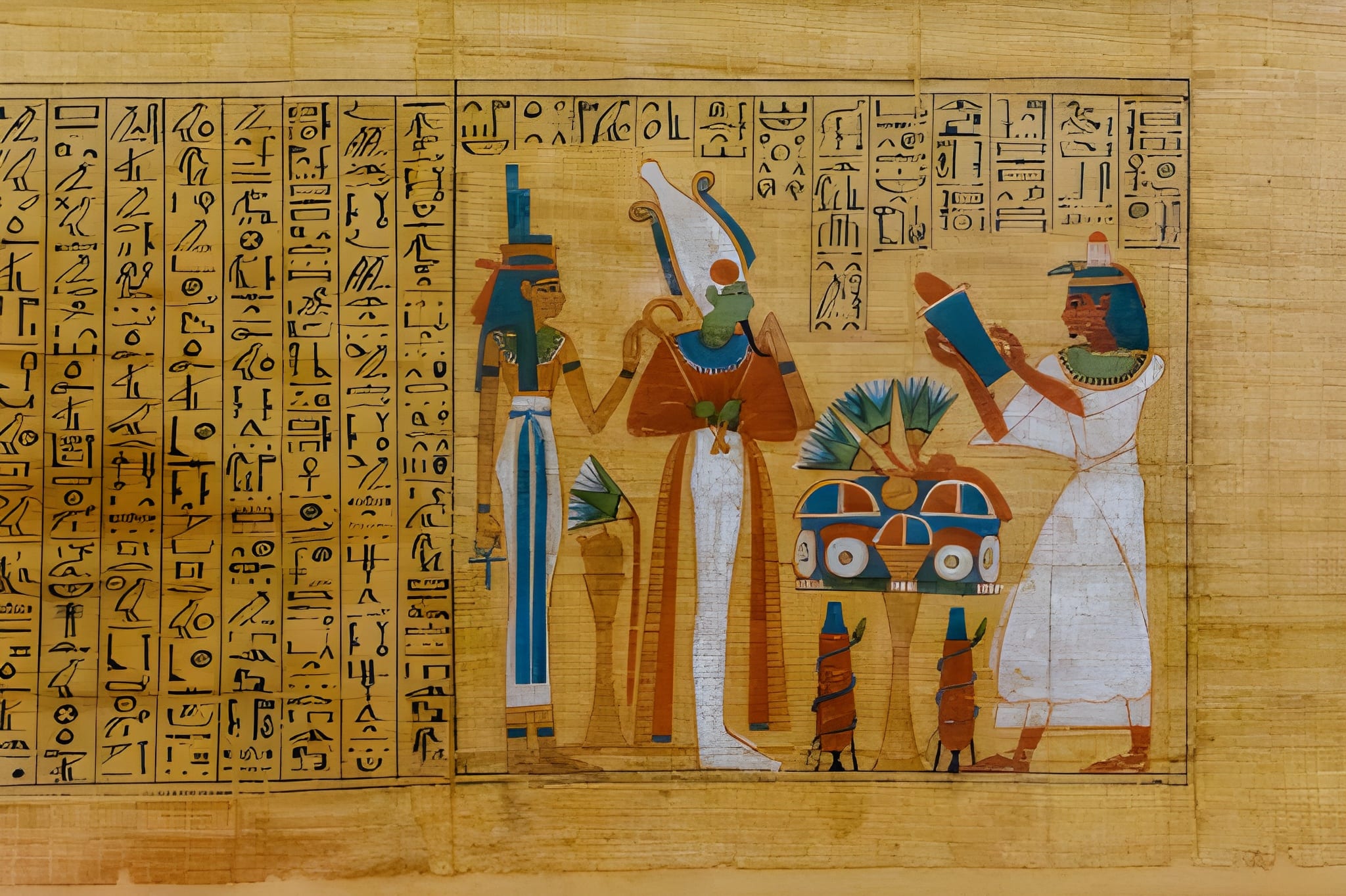
Much of what we know about ancient Egyptian music comes from tomb paintings, reliefs, and excavated instruments. Scenes of banquets, temple rituals, and funerary processions often feature musicians and dancers, providing valuable insights into the instruments and performance styles of the time. Museums in Egypt and around the world display ancient harps, sistrums, and flutes, some remarkably well-preserved. These artifacts bridge the gap between the ancient and modern worlds, allowing visitors to imagine the music that once echoed through palaces and temples. For those interested in the tangible legacy of Egyptian music, exploring real ancient Egyptian artifacts can be an inspiring experience.
Modern Echoes: Ancient Music in Today’s Egypt
The influence of ancient Egyptian music endures in contemporary Egyptian culture. Folk musicians often use instruments reminiscent of their ancient counterparts, such as the rabab (a bowed string instrument) and various types of drums. Rituals and celebrations, including weddings, still feature traditional music and dance, echoing the rhythms and melodies of the past. The famed “Zaffa” wedding procession, for instance, incorporates drums and sistrum-like rattles, blending ancient and modern traditions. To learn more about how music and dance continue to shape Egyptian celebrations, consider reading about the Zaffa procession and its enduring role in Egyptian weddings.
Experiencing Ancient Egyptian Music as a Visitor
Travelers to Egypt can encounter echoes of ancient music in museums, temple sound and light shows, and cultural performances. Many museums display musical instruments discovered in tombs and temples, while immersive experiences like the Sound and Light Show at Philae Temple combine narration, music, and illumination to bring ancient stories to life. Nile cruises and guided tours often feature live performances of traditional music, offering a sensory connection to Egypt’s rich musical heritage. For those seeking a deeper understanding, Egypt’s archaeological sites and museums provide ample opportunities to explore the artistic and spiritual dimensions of ancient sound.
Music and Education in Ancient Egypt
Music was not only a form of entertainment and worship but also an integral part of education in ancient Egypt. Children of the elite, especially those destined for temple service or administrative roles, received training in music alongside other subjects. Musical literacy was considered essential for temple musicians and singers, who needed to master complex hymns and rhythms. The importance of education in shaping Egypt’s cultural legacy is explored in greater depth in resources about education in ancient Egypt, highlighting the close relationship between learning, music, and religious service.
Frequently Asked Questions
What instruments were most common in ancient Egyptian music?
The most common instruments included harps, sistrums, flutes, lutes, drums, and clappers. Harps and sistrums were especially prominent in religious and ceremonial contexts.
What was the role of temple singers in ancient Egypt?
Temple singers performed hymns and chants during religious rituals, festivals, and daily temple ceremonies. Their music was considered an offering to the gods and played a crucial role in spiritual life.
Were women allowed to be musicians in ancient Egypt?
Yes, women could serve as musicians and singers, particularly in temples. Female musicians were often depicted in tomb art and sometimes held prestigious positions as priestesses or temple singers.
Can visitors see ancient Egyptian musical instruments today?
Visitors can view ancient musical instruments in museums across Egypt, such as the Egyptian Museum in Cairo and the Luxor Museum, where harps, sistrums, and flutes are displayed.
What is a sistrum and how was it used?
A sistrum is a sacred rattle with a U-shaped frame and metal rods that produce a jingling sound when shaken. It was mainly used in temple rituals to honor deities like Hathor and to ward off evil spirits.
Does ancient Egyptian music influence modern Egyptian culture?
Ancient Egyptian music influences modern Egyptian folk traditions, especially in instruments and ceremonial music performed at weddings and festivals, preserving a link to the past.