Tipping in Egypt is expected rather than optional, and it works best as many small amounts rather than a few large ones. A useful rule: add roughly 5 to 10 percent in restaurants even when a service charge appears on the bill, hand a small note to anyone who performs a specific service for you, and keep a dedicated stash of low-denomination notes for the purpose. The amounts are usually modest — the frequency is what surprises first-time visitors.
Key takeaways
- Baksheesh is a normal part of the wage structure in Egyptian tourism, not a bonus for exceptional service.
- Small notes are the real constraint. Arriving without them is the single most common tipping problem.
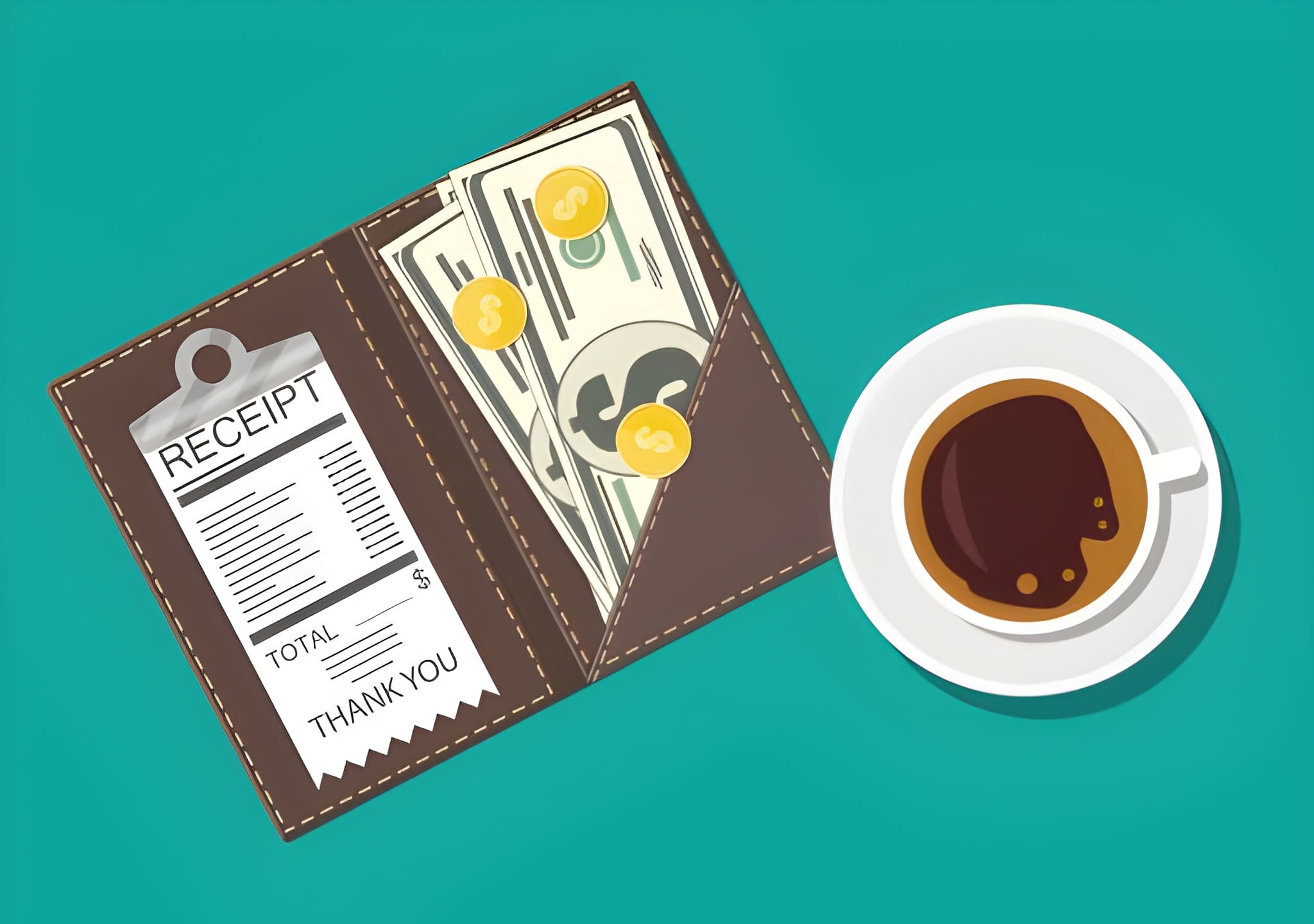
- A service charge on a restaurant bill often does not reach the person who served you — a small cash tip on top is customary.
- Guides and drivers are tipped at the end of the service, per group rather than per person.
- You are allowed to decline. Payment for an unrequested "service" is not obligatory.
Why is tipping so constant in Egypt?
Because many tourism wages are built on the assumption that tips form part of the income, rather than sitting on top of a full one. That single fact explains most of what visitors find confusing: why someone appears to help with a door you could have opened, why the person who carried a bag you did not ask to be carried expects something, and why the expectation persists even when service was ordinary.
Understanding it changes how it feels. Baksheesh is not a judgement on the quality of service in the way a tip is in Britain or the United States — it is closer to a small, expected transaction fee attached to human assistance. Once you budget for it as a running cost rather than a series of individual decisions, it stops being stressful.
How much should you tip, by situation?
The table below gives customary levels rather than fixed amounts. Egypt has experienced significant inflation in recent years, so any specific figure printed in an article dates quickly — and a stale number is worse than none. Sense-check the actual level against local prices when you arrive: a useful anchor is what a bottle of water or a cup of tea costs near your hotel.
| Situation | Customary level | Notes |
|---|---|---|
| Restaurant with table service | About 5–10% of the bill | In cash, to the server, even if a service charge is printed |
| Café or casual meal | Round up, or a small note | Rounding up is normal and sufficient |
| Hotel housekeeping | A small note per night | Left daily rather than in one lump at the end — different staff work different days |
| Porter or bellhop | A small note per bag | Have it ready before they set the bags down |
| Private guide (Egyptologist) | The largest single tip of your day | Per group, at the end. Reflects hours and expertise |
| Driver | Meaningful but below the guide | Per group, at the end of the day or transfer |
| Nile cruise crew | A pooled tip for the trip | Many boats run a shared box divided among crew — ask at reception how it is handled |
| Washroom attendant | The smallest note you carry | Keep coins or the lowest note accessible |
| Unrequested "help" | Your discretion, including nothing | See the section on declining below |
These are customary ranges, not a tariff. Nobody is counting, and being slightly generous in a country where the amounts are small to you and meaningful to the recipient is rarely the wrong call.
What is the small-notes problem, and how do you avoid it?
The practical difficulty of tipping in Egypt is not knowing how much — it is physically having the right notes. ATMs and exchange counters dispense large denominations, and almost nobody can change a large note for a tip. Visitors routinely end up either over-tipping heavily because it is the smallest note they hold, or awkwardly unable to tip at all.
Three habits solve it:
- Break large notes deliberately. Buy water, snacks or coffee at a hotel or a supermarket specifically to generate small change, early in the trip.
- Keep tip money separate from your main wallet — a different pocket. It makes tipping quick and stops you displaying a full wallet at every interaction.
- Ask your hotel reception to change a note into smaller denominations. They are used to the request.
Should you tip in Egyptian pounds or foreign currency?
Egyptian pounds, in almost every case. Foreign coins are useless — they cannot be exchanged — and foreign notes force the recipient to make a trip to a bureau and accept whatever rate they are given. A tip in local currency is worth its full value immediately; the same amount in foreign notes is worth less and is more trouble.
The narrow exception is a substantial end-of-trip tip to a guide, where a larger foreign note is sometimes welcomed. If in doubt, local currency is never wrong.
Is a service charge the same as a tip?
No, and this is the most common misunderstanding. Many Egyptian restaurant bills include a service charge, and in a great many cases it goes to the business rather than to the individual who served you. That is why a small cash tip handed directly to the server is customary even on a bill that already shows service.
If you would rather not tip twice, ask whether the service charge goes to staff. Asking is entirely normal and you will usually get a straight answer.
Can you say no?
Yes. Baksheesh is expected for services you receive, not for every approach you encounter. Someone who points at a monument, takes your photograph without being asked, or "shows" you something you were already looking at is running a transaction you did not agree to. A polite, firm "no thank you" — la shukran — and continuing to walk is completely acceptable and is what locals do.
Where a genuine service has been performed, tip. Where it has not, you are not obliged, and paying every approach simply increases the number of approaches. Our notes on Egyptian travel etiquette cover the wider social side of this.
When does this guidance not apply?
- All-inclusive resorts often have their own tipping policy — sometimes a no-tipping rule, sometimes a central fund. Check at reception rather than assuming.
- Organised tours may include guide and driver gratuities in the package price. Read what you booked; tipping again is a choice, not a duty.
- Inflation moves the real level. The percentages here hold, but the pound figure they translate into changes. Anchor to local prices when you arrive.
- Business, medical and official contexts are outside the scope of this article entirely.
Frequently asked questions
How much should I budget per day for tips?
Set aside a small daily float in low-denomination notes and treat it as a running cost, rather than trying to compute a per-person total. For a typical guided day involving a guide, a driver, hotel staff and a couple of meals, tips are a minor line in the day's spending — the frequency is higher than most travellers expect, but the individual amounts are small.
Do I tip a private guide and the driver separately?
Yes. They are usually different people, often from different companies, and each is tipped separately at the end of the service. The guide customarily receives more, reflecting the hours and the expertise involved.
Is tipping expected at the Pyramids and other sites?
At the sites themselves, tipping is for services you actually accept — a guide you engaged, a driver who waited. It is not owed to people who approach you unprompted at the Giza plateau offering photographs, "shortcuts" or camel rides you did not request. Agree any price before accepting anything.
What about tipping on a Nile cruise?
Most Nile cruise boats operate a pooled crew tip collected at the end of the voyage and shared among staff you never see — kitchen, housekeeping, deck. Ask reception how their system works when you board. Your guide and driver are separate from that pool.
Is it rude to tip too little?
Rarely, if you tip something and do so pleasantly. Handing over a small amount with a word of thanks reads far better than an awkward exchange or nothing at all. The bigger social error is treating every interaction as a negotiation.
The bottom line
Tip small amounts often, in Egyptian pounds, with notes you have deliberately prepared. Around 5 to 10 percent in restaurants, a small note for any specific service, and the day's largest tip to your guide. Decline politely where no service was requested. Budget it as a running cost and it becomes what it should be — a minor, unremarkable part of the trip.