

Egypt Destinations: A Comprehensive Guide to the Land of Pharaohs
Egypt, the timeless land where ancient wonders meet modern marvels, has captivated the imagination of travelers for centuries. From the monumental pyramids of Giza to the tranquil waters of the Red Sea, Egypt offers a tapestry of destinations that blend history, culture, adventure, and relaxation. Whether you are an archaeology enthusiast, a sun-seeker, or a culture lover, Egypt’s diverse destinations promise an unforgettable journey. In this comprehensive guide, we’ll explore the must-visit places, practical travel tips, and insider insights to help you plan the ultimate Egyptian adventure.
Cairo: The Heartbeat of Egypt
Cairo, Egypt’s sprawling capital, is a vibrant metropolis that seamlessly fuses the ancient with the modern. The city is a gateway to the country’s most iconic landmarks, including the awe-inspiring Pyramids of Giza and the enigmatic Sphinx. Wander through the Egyptian Museum, home to an unparalleled collection of antiquities, including the treasures of Tutankhamun. Don’t miss the bustling Khan El Khalili bazaar, where you can haggle for spices, jewelry, and traditional crafts. For a taste of local life, stroll along the Nile Corniche at sunset or enjoy a traditional Egyptian meal in a historic café. Cairo’s energy is palpable, making it a destination that leaves a lasting impression on every visitor.
Luxor: The World’s Greatest Open-Air Museum
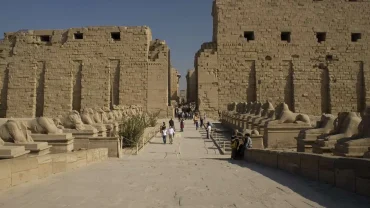
Luxor, situated on the banks of the Nile, is often referred to as the world’s greatest open-air museum. The city is divided into the East Bank, home to the magnificent Karnak and Luxor Temples, and the West Bank, where the Valley of the Kings and the Valley of the Queens reveal the secrets of ancient royalty. Explore the intricately decorated tombs of pharaohs, marvel at the colossal statues of the Colossi of Memnon, and witness the grandeur of the mortuary temple of Hatshepsut. Luxor is also a fantastic base for a hot air balloon ride at dawn, offering breathtaking views of the Nile and surrounding monuments. History comes alive in every corner of Luxor, making it a must-visit for anyone fascinated by Egypt’s ancient past.
Aswan: Serenity and Nubian Heritage
Aswan, located in southern Egypt, exudes a relaxed charm and is renowned for its stunning Nile scenery and rich Nubian culture. Take a leisurely felucca ride on the river, visit the majestic Philae Temple dedicated to Isis, and explore the colorful Nubian villages on Elephantine Island. The Aswan High Dam, a marvel of modern engineering, is also worth a visit for its historical and economic significance. Don’t miss the Unfinished Obelisk, which offers insight into ancient stone-carving techniques. Aswan’s laid-back atmosphere and warm hospitality make it a perfect destination to unwind and connect with Egypt’s diverse heritage.
Alexandria: Mediterranean Magic
Alexandria, Egypt’s second-largest city, boasts a unique blend of Mediterranean elegance and ancient history. Founded by Alexander the Great, the city was once home to the legendary Lighthouse of Alexandria and the Great Library. Today, visitors can explore the impressive Bibliotheca Alexandrina, a modern tribute to the ancient library, and the stunning Qaitbay Citadel, which stands on the original site of the lighthouse. Stroll along the Corniche, sample fresh seafood at a seaside café, and discover Roman-era catacombs and amphitheaters. Alexandria’s cosmopolitan vibe and storied past make it a captivating destination for culture and history lovers alike.
The Red Sea Riviera: Sun, Sand, and Underwater Wonders
The Red Sea Riviera is a paradise for beach lovers, divers, and water sports enthusiasts. Destinations like Hurghada, Sharm El Sheikh, and Marsa Alam offer pristine beaches, luxurious resorts, and world-renowned coral reefs. Dive or snorkel among vibrant marine life in Ras Mohammed National Park or the Giftun Islands. For those seeking adventure, try windsurfing, kiteboarding, or a desert safari. The Red Sea’s warm waters and excellent visibility make it one of the top diving destinations globally. Whether you’re looking for relaxation or excitement, the Red Sea Riviera promises a memorable escape under the Egyptian sun.
Siwa Oasis: Mystique in the Western Desert
Siwa Oasis, nestled deep in Egypt’s Western Desert, is a hidden gem known for its unique culture, ancient ruins, and natural beauty. The oasis is famed for the Oracle Temple of Amun, where Alexander the Great was declared son of Zeus, and the ancient mud-brick fortress of Shali. Relax in natural hot springs, sample traditional Siwan cuisine, and admire the lush palm groves that contrast starkly with the surrounding desert. Siwa’s Berber-speaking community preserves distinct traditions and crafts, offering visitors an authentic and off-the-beaten-path experience. The tranquility and mystique of Siwa make it a haven for travelers seeking serenity and cultural immersion.
White Desert and Bahariya Oasis: Surreal Landscapes
The White Desert, located near the Bahariya Oasis, is one of Egypt’s most otherworldly destinations. The landscape is dotted with surreal chalk rock formations sculpted by wind and sand, creating a dreamlike panorama that glows under the moonlight. Adventure seekers can embark on jeep safaris, camp under the stars, and explore the nearby Black Desert with its volcanic hills. The Bahariya Oasis itself is rich in history, featuring ancient tombs, hot springs, and the Valley of the Golden Mummies. A trip to the White Desert offers a unique blend of adventure, natural beauty, and archaeological intrigue, perfect for intrepid travelers.
Abu Simbel: Monumental Majesty
Abu Simbel, located near Egypt’s southern border, is home to two colossal temples built by Ramses II. These UNESCO World Heritage Sites are renowned for their massive statues and intricate carvings, celebrating the power and legacy of the pharaoh. The temples were famously relocated in the 1960s to save them from flooding caused by the Aswan High Dam, a feat of modern engineering. Visit Abu Simbel during the biannual Sun Festival, when sunlight illuminates the inner sanctum, highlighting the statues of Ramses and the gods. The remote location and awe-inspiring scale of Abu Simbel make it a bucket-list destination for history buffs and adventure seekers.
Fayoum: Nature, History, and Rural Charm
Fayoum, located southwest of Cairo, offers a blend of natural wonders, ancient sites, and rural tranquility. The region is famous for Lake Qarun, Egypt’s oldest natural lake, and the Wadi El Rayan waterfalls, a rare sight in the desert. Explore the ancient city of Karanis, the Greco-Roman temples, and the Valley of the Whales (Wadi Al-Hitan), a UNESCO site featuring fossils of prehistoric whales. Fayoum’s lush farmlands, traditional pottery villages, and birdwatching opportunities make it an ideal destination for nature lovers and those seeking a slower pace of travel.
Frequently Asked Questions
What is the best time to visit Egypt?
The best time to visit Egypt is from October to April, when the weather is cooler and more comfortable for sightseeing. The peak season is December and January, so consider visiting in the shoulder months for fewer crowds and pleasant temperatures.
Is Egypt safe for tourists?
Egypt is generally safe for tourists, especially in popular destinations like Cairo, Luxor, Aswan, and the Red Sea resorts. It’s advisable to follow local guidelines, stay updated on travel advisories, and use reputable tour operators for excursions.
Do I need a visa to visit Egypt?
Most travelers require a visa to enter Egypt. Many nationalities can obtain a visa on arrival at major airports or apply for an e-visa online before traveling. Check the latest requirements based on your nationality before planning your trip.
What should I wear when visiting Egypt?
Egypt is a conservative country, so it’s recommended to dress modestly, especially when visiting religious sites or rural areas. Lightweight, breathable clothing is ideal for the heat, and women may want to carry a scarf for covering shoulders or head when needed.
Can I visit the inside of the pyramids?
Yes, visitors can enter the Great Pyramid of Giza and some other pyramids, but access may be limited, and separate tickets are required. The interiors can be narrow and hot, so be prepared for a physically demanding experience.
What are some unique souvenirs to buy in Egypt?
Popular Egyptian souvenirs include papyrus art, alabaster statues, hand-blown glassware, jewelry, spices, and traditional textiles. The bazaars in Cairo and Luxor are great places to shop for authentic handicrafts and gifts.

Comment (0)