
An Insiders Guide to Egyptian Culture and Customs
Egypt, a land of pharaohs and pyramids, is much more than its ancient wonders. Its vibrant culture is a tapestry woven from thousands of years of history, a rich blend of traditions, religions, and modern influences. For travelers seeking an authentic experience, understanding Egyptian customs and social norms is the key to unlocking the true spirit of this fascinating country. This insider’s guide will help you navigate the nuances of Egyptian life, from etiquette and language to food, festivals, and daily routines, ensuring your journey is both respectful and unforgettable.
Egyptian Hospitality: The Heart of the Culture
Hospitality is the cornerstone of Egyptian culture. Egyptians are renowned for their warmth and generosity toward guests, whether they are friends, family, or strangers. Visitors are often greeted with a heartfelt “Ahlan wa sahlan” (welcome), and it is not uncommon to be invited for tea or a meal even after a brief acquaintance. Refusing such invitations may be seen as impolite, so if you are offered hospitality, graciously accept, even if only for a short time.
When entering an Egyptian home, it is customary to remove your shoes at the door. Bringing a small gift, such as pastries or sweets, is a thoughtful gesture. During the visit, your host may insist you eat more or try different dishes; this is their way of showing care and respect. Accept with gratitude, but do not feel pressured to overindulge.
Language and Communication: More Than Just Words
Arabic is the official language of Egypt, with Egyptian Arabic being the most widely spoken dialect. While many Egyptians in urban areas speak English or French, making an effort to use basic Arabic phrases can go a long way in building rapport. Greetings are particularly important; a simple “Salam Alaikum” (peace be upon you) is always appreciated and reciprocated with “Wa Alaikum Salam.”
Egyptian communication is often expressive and animated. Gestures and body language play a significant role, but it is important to be mindful of certain customs. For example, avoid using your left hand for eating or giving items, as it is considered impolite. Maintaining eye contact is a sign of sincerity, but prolonged staring can be perceived as aggressive or disrespectful, especially between men and women.
Dress Code and Modesty: Respecting Local Norms
Egypt is a predominantly Muslim country, and modesty in dress is highly valued, particularly in rural areas and religious sites. For women, it is advisable to wear clothing that covers the shoulders, cleavage, and knees. Long skirts, loose trousers, and tops with sleeves are ideal. Men should avoid wearing shorts in public and opt for trousers or long pants instead.
When visiting mosques or religious monuments, both men and women should dress conservatively. Women may be required to cover their hair with a scarf, and everyone should remove their shoes before entering prayer areas. By dressing respectfully, travelers demonstrate cultural sensitivity and are likely to receive a warmer welcome from locals.
Religious Life and Festivals: A Blend of Faiths
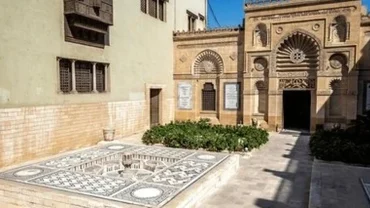
Religion permeates every aspect of Egyptian life. While Islam is the dominant faith, Egypt is also home to a significant Christian minority, primarily Coptic Orthodox Christians. The call to prayer echoes through the streets five times a day, and many businesses close briefly for Friday prayers, the holiest day of the week for Muslims.
Egyptian religious festivals are vibrant and inclusive. Ramadan, the holy month of fasting, is a time of communal gatherings and nightly feasts called iftar. Visitors during Ramadan should be mindful not to eat, drink, or smoke in public during daylight hours. Coptic Christmas and Easter are celebrated with equal enthusiasm, marked by special church services and traditional foods. Experiencing these festivals firsthand offers a unique window into the Egyptian soul.
Family and Social Structure: The Foundation of Society
Family is the bedrock of Egyptian society. Extended families often live close together and maintain strong bonds, with elders commanding great respect. Social gatherings revolve around family events, from weddings to birthdays to religious holidays. It is common for several generations to share a household or live in the same neighborhood.
Gender roles in Egypt are traditionally defined, though this is gradually changing in urban centers. Men are typically seen as the primary breadwinners, while women manage the household and children. However, Egyptian women are increasingly pursuing education and professional careers. When interacting with locals, it is important to be aware of these dynamics and approach conversations with respect and sensitivity.
Egyptian Cuisine: A Feast for the Senses
Egyptian food is a delightful fusion of Mediterranean and Middle Eastern flavors, with each region offering its own specialties. Staples include ful medames (stewed fava beans), koshari (a hearty mix of rice, lentils, and pasta), and taameya (Egyptian falafel). Fresh bread, known as aish baladi, accompanies almost every meal.
Street food is an integral part of Egyptian life. Vendors serve up delicious snacks like shawarma, grilled corn, and sweet pastries such as basbousa and konafa. Sharing food is a sign of friendship, and guests are often encouraged to try a bit of everything. When dining, it is polite to use your right hand and to wait for the eldest person to begin eating before you start.
Arts, Music, and Literature: Expressions of Identity
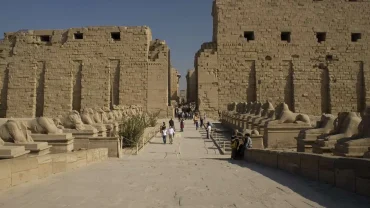
Egypt has a thriving artistic heritage that spans millennia. Ancient hieroglyphs, Pharaonic statues, and intricate Islamic architecture are visible reminders of the country’s creative legacy. Modern Egypt continues this tradition through vibrant music, literature, and cinema scenes.
Traditional music, featuring instruments like the oud and tabla, is often heard at weddings and festivals. Egyptian pop and folk music are popular across the Arab world. Literature holds a special place in Egyptian culture, with Nobel laureate Naguib Mahfouz being one of the country’s most celebrated authors. Attending a local performance or visiting an art gallery can provide deeper insight into the Egyptian psyche and its enduring love for storytelling.
Daily Life and Social Etiquette: Navigating the Everyday
Daily life in Egypt is a blend of routine and spontaneity. The pace is generally relaxed, with a strong emphasis on social interaction. Coffeehouses, known as ahwas, are popular gathering spots where people sip strong coffee or sweet mint tea, play backgammon, and discuss everything from politics to soccer.
When interacting with Egyptians, a few etiquette tips can help you make a positive impression. Always greet people with a smile, and use formal titles such as “Mr.” or “Mrs.” followed by the first name. Public displays of affection are frowned upon, and it is best to avoid controversial topics like politics or religion unless you know your companions well. Tipping, or baksheesh, is customary for many services, so keep small change on hand.
Shopping and Bargaining: Mastering the Art of the Deal
Shopping in Egypt is an adventure in itself. Bustling bazaars, or souks, are filled with colorful textiles, spices, jewelry, and souvenirs. The Khan el-Khalili market in Cairo is particularly famous for its vibrant atmosphere and wide array of goods. Bargaining is not just accepted; it is expected, so don’t be shy about negotiating prices. Approach haggling with humor and patience, and you may walk away with both a great deal and a new friend.
When making purchases, it is common to be offered tea or coffee. Accepting this gesture is a sign of respect and allows you to engage in friendly conversation. Remember to inspect items carefully before buying, and don’t feel pressured to make a purchase if you’re not interested.
Frequently Asked Questions
What is the best time of year to visit Egypt?
The most pleasant time to visit Egypt is from October to April, when temperatures are milder and sightseeing is more comfortable. Summer months can be extremely hot, especially in southern Egypt.
Are there any customs I should be aware of when visiting religious sites?
Yes, modest dress is essential. Women should cover their hair, arms, and legs, while men should avoid shorts. Always remove your shoes before entering prayer areas and speak in hushed tones.
Is it safe for solo female travelers in Egypt?
While Egypt is generally safe, solo female travelers should take standard precautions. Dress modestly, avoid walking alone at night, and use reputable transportation. Egyptian women are often happy to offer advice or assistance.
How much should I tip in Egypt?
Tipping, or baksheesh, is customary for many services. In restaurants, 10-15% is standard if service is not included. Small tips are also appreciated by hotel staff, taxi drivers, and guides.
Can I drink tap water in Egypt?
It is advisable to drink bottled or filtered water in Egypt, as tap water may not be safe for visitors. Bottled water is widely available and inexpensive.
What are some must-try Egyptian dishes?
Don’t miss ful medames, koshari, taameya, molokhia (a green soup), and grilled meats. For dessert, try basbousa, konafa, and om ali (a delicious bread pudding).
Comment (0)