
Coptic Icons And Their Symbols: A Visitor’s Guide To Reading Church Art
Coptic icons use symbolic images and colors to convey stories and spiritual truths in Egypt’s churches. Visitors can learn to interpret these artworks by recognizing key figures, gestures, and motifs, which reveal the faith, history, and culture of Egypt’s Coptic Christian community. Understanding these symbols enriches any church visit and deepens appreciation for Coptic heritage.
Key Takeaways
- Coptic icons are rich in symbolism, with each color, gesture, and figure carrying specific meaning rooted in Christian tradition.
- The Coptic Museum in Cairo houses one of the world’s largest collections of Coptic art and is the best starting point for understanding iconography.
- Free entry to many Egyptian museums, including Coptic sites, is available for children under 6, Egyptian seniors 60+, Egyptians with special needs, and orphaned children, except on Fridays, Saturdays, and public holidays.
- Photography with a mobile phone is free of charge at Ministry of Tourism and Antiquities sites, but commercial filming requires special permission.
- Arrive at least one hour before closing when visiting Coptic museums or churches, as recommended by the Ministry of Tourism and Antiquities.
The Origins of Coptic Iconography
Coptic iconography developed in Egypt’s early Christian period, blending Pharaonic, Greco-Roman, and Byzantine influences into a distinct visual language. These icons served as both devotional aids and teaching tools for the faithful, often painted on wood panels and displayed in churches and monasteries. The tradition emphasizes spiritual presence over realistic depiction, with elongated figures, large eyes, and frontal poses meant to inspire contemplation and reverence.
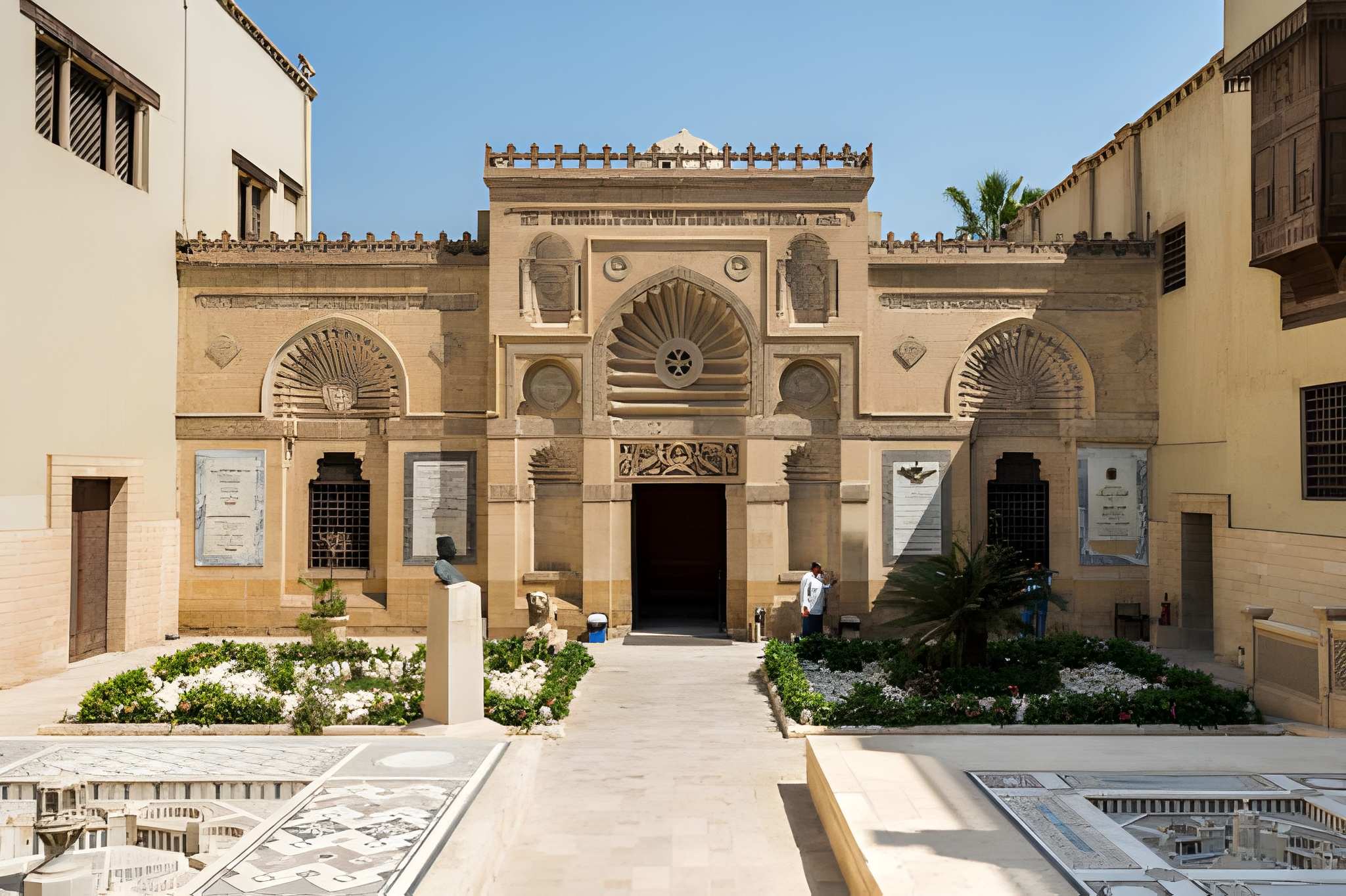
For an in-depth look at this artistic heritage, the Coptic Museum in Cairo offers a comprehensive collection of icons, manuscripts, and liturgical objects, making it a must-see for anyone interested in the roots of Coptic art.
Decoding Common Symbols in Coptic Icons
Every detail in a Coptic icon is intentional. Common symbols include halos (holiness), open hands (blessing or teaching), and specific colors: gold for divinity, blue for heaven, red for martyrdom, and green for eternal life. Animals such as lions may represent St. Mark, while palm branches symbolize victory over death. The icon’s background and border often carry meaning as well, framing the scene in a spiritual context.
Travelers who wish to deepen their understanding of Egypt’s religious and historical sites can consult the Egypt Travel Guides for more background on these symbols and their significance across the country’s diverse attractions.
Famous Coptic Churches and Their Iconic Art
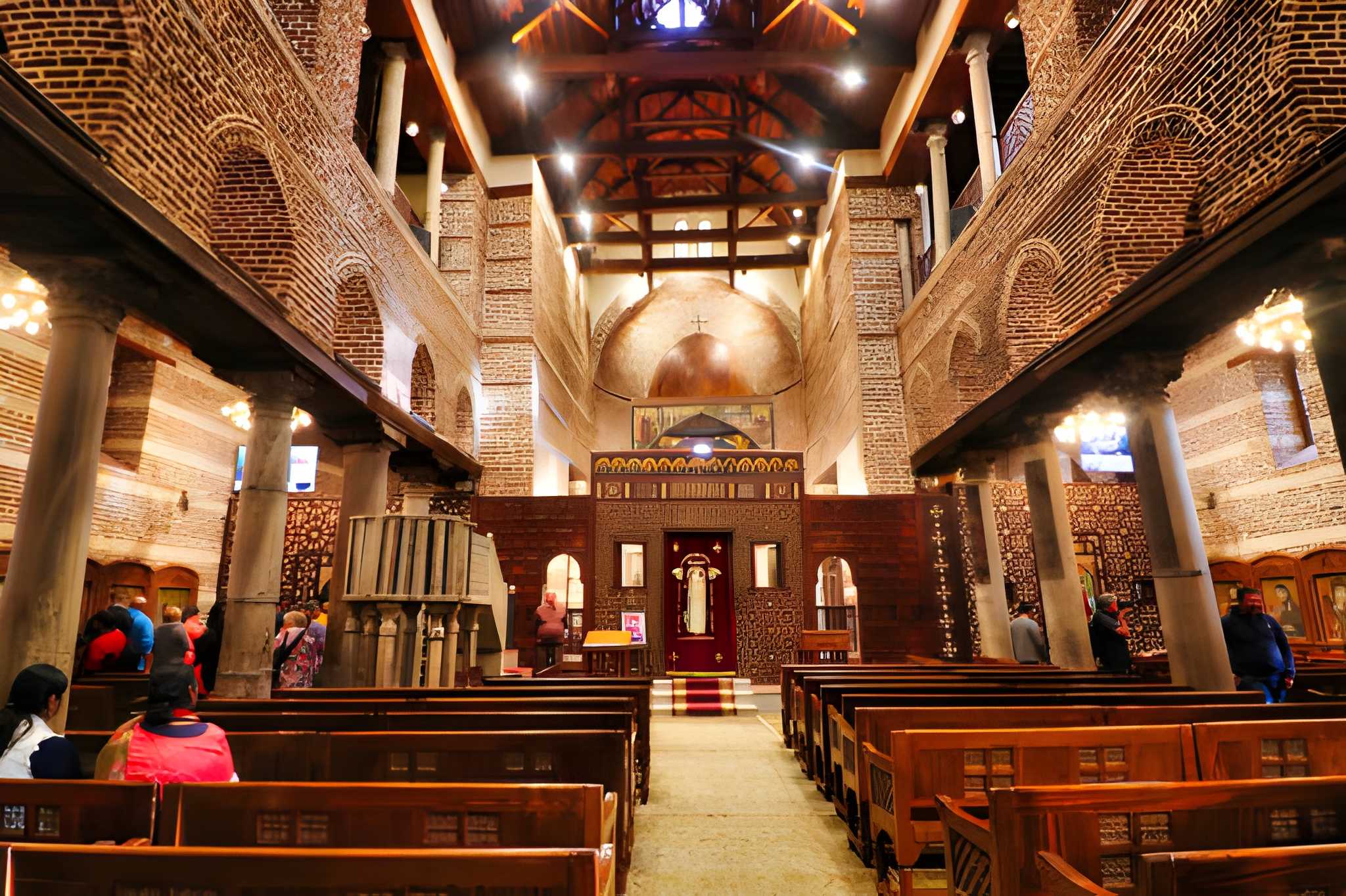
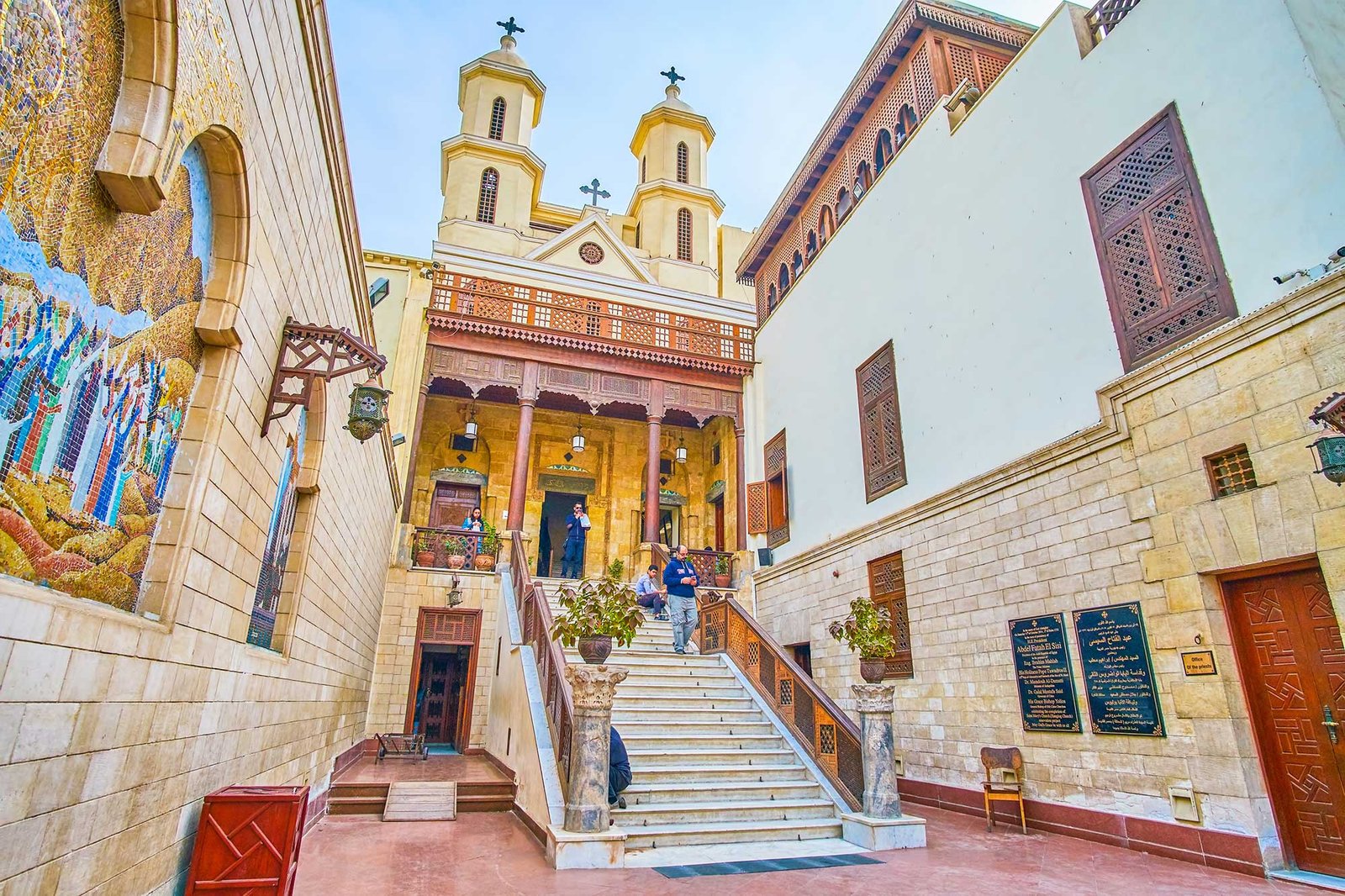
Cairo’s churches are treasure troves of Coptic iconography. The Hanging Church (El Muallaqa), built atop the Roman Babylon Fortress, features a remarkable iconostasis adorned with icons of Christ, the Virgin Mary, and the Apostles. Abu Serga Church, another gem in Old Cairo, is believed to stand on the site where the Holy Family rested during their flight into Egypt. Its icons depict biblical scenes and saints in the classic Coptic style, characterized by expressive faces and symbolic gestures.
To explore these remarkable churches, read about the Hanging Church and the Abu Serga Church, both essential stops for visitors interested in Coptic heritage.
Reading the Stories: Saints, Martyrs, and Biblical Figures
Icons often feature saints and martyrs, each identified by unique attributes. St. George is typically shown slaying a dragon, symbolizing triumph over evil. St. Mark, the patron saint of Alexandria, is depicted with a lion. The Virgin Mary is portrayed with the Christ Child, sometimes surrounded by angels. Scenes from the Old and New Testaments are rendered with symbolic colors and gestures, inviting viewers to meditate on the deeper meanings of the stories.
For travelers planning a broader journey through Egypt’s sacred sites, the Top Must See Destinations in Egypt the Ultimate Travel Guide provides recommendations that include many important Coptic locations alongside other historical wonders.
Where to See Coptic Icons in Egypt
While Cairo is the heart of Coptic Christianity, significant icons can be found throughout Egypt. The Coptic Museum in Cairo is renowned for its extensive collection, but visitors will also find beautiful icons in Alexandria, Upper Egypt, and the Fayoum region. Many monasteries and churches display icons that are centuries old, still used in worship today.
If you wish to venture beyond Cairo, the oasis of Fayoum offers a unique blend of Coptic and Greco-Roman art, with several ancient churches and monasteries featuring impressive iconography. Exploring these sites provides a window into the regional diversity of Coptic art.
Planning Your Visit: Practical Tips for Icon Lovers
When visiting Coptic museums and churches, be mindful of opening hours and ticket policies. The Coptic Museum in Cairo is open daily from 09:00 AM to 05:00 PM, with summer and Ramadan hours varying. General admission for foreign adults is EGP 280, for foreign students EGP 140, for Egyptian adults EGP 20, and for Egyptian students EGP 10. Free entry is granted for children under 6, Egyptian seniors 60+, Egyptians with special needs, and orphaned children, except on Fridays, Saturdays, and public holidays. All prices are in Egyptian Pounds, and students must present a valid ID and be under 24 years old. Photography with a mobile phone is free of charge, but commercial filming requires permission. It is recommended to arrive at least one hour before closing to ensure ample time for your visit.
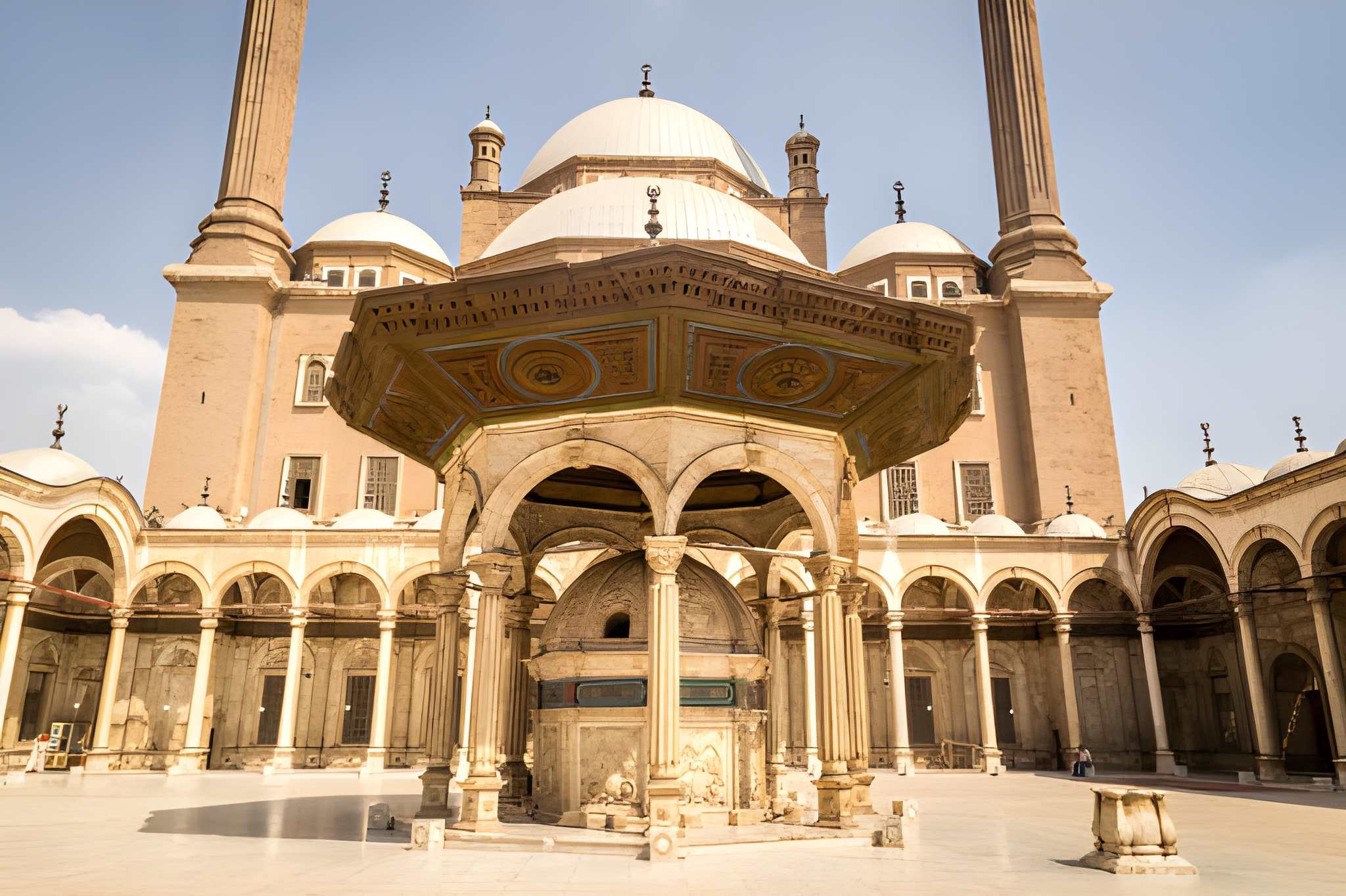
To experience the full spectrum of Coptic and Islamic heritage in Cairo, consider the Egyptian Museum Old Coptic and Islamic Cairo Tour, which includes expert guidance through some of the city’s most important religious and artistic sites.
Combining Coptic Art with Broader Egyptian Exploration
Egypt’s rich tapestry of history means that Coptic art is just one facet of its cultural heritage. Many visitors choose to combine church visits with other iconic sites, such as the Pyramids of Giza or Nile cruises between Luxor and Aswan. This approach allows travelers to appreciate the connections between ancient, Christian, and Islamic art traditions.
For those interested in Egypt’s ancient wonders, the Guide to Exploring the Pyramids of Giza for 2024 provides valuable insights. Meanwhile, a 5-Star Luxury Nile Cruise offers a luxurious way to see the country’s temples, tombs, and churches, many of which feature Coptic icons and art.
Specialized Tours for Coptic Art Enthusiasts
Guided tours offer a deeper understanding of Coptic iconography, with expert guides explaining the meaning behind each symbol and scene. Private tours can be tailored to focus on Coptic heritage, including visits to museums, churches, and monasteries. These experiences often include access to lesser-known sites and opportunities to witness ongoing traditions of icon painting and restoration.
Travelers seeking a comprehensive experience can book the Private Guided Tour of Egypt, which can be customized to include Coptic art highlights. Alternatively, the Best Egypt Tour With Nile Cruise combines Coptic, Pharaonic, and Islamic sites for a well-rounded itinerary.
Day Trips and Regional Excursions
Day tours are a convenient way to explore Coptic sites outside Cairo or to combine them with other attractions. For example, the Giza Plateau Saqqara and Memphis Tour offers a chance to see ancient pyramids alongside early Christian ruins. In Aswan, guided day tours introduce visitors to Nubian and Coptic influences in local churches and monasteries.
Those interested in exploring Upper Egypt’s Christian heritage can find curated options through Aswan Day Tours, which often include visits to monasteries and churches with notable icons and murals.
Luxury Experiences and Cultural Immersion
For travelers seeking a premium experience, luxury Nile cruises and private tours offer access to Egypt’s finest cultural sites, including those with significant Coptic art. These packages often include expert guides, exclusive museum visits, and opportunities to meet local artists or attend icon-painting workshops.
To explore these options, browse the Luxury Nile Cruises category for curated journeys that blend comfort with cultural discovery. Whether you’re a seasoned art lover or a curious newcomer, these experiences provide a memorable way to engage with Egypt’s spiritual and artistic legacy.
Frequently Asked Questions
What is a Coptic icon?
A Coptic icon is a religious painting used in Egypt’s Coptic Orthodox Church, depicting Christ, the Virgin Mary, saints, or biblical scenes, and characterized by symbolic colors and stylized forms.
Where can I see authentic Coptic icons in Egypt?
Authentic Coptic icons can be seen at the Coptic Museum in Cairo, as well as in historic churches like the Hanging Church and Abu Serga Church, and in monasteries throughout Egypt.
Are there any entry fee exemptions for Coptic museums and sites?
Free entry is available for children under 6, Egyptian seniors 60+, Egyptians with special needs, and orphaned children, except on Fridays, Saturdays, and public holidays, per the Ministry of Tourism and Antiquities.
Can I take photos of Coptic icons in churches and museums?
Photography with a mobile phone is free of charge at Ministry of Tourism and Antiquities sites, but commercial filming requires prior permission.
What is the best way to learn about the symbols in Coptic icons?
The best way to learn is to visit the Coptic Museum or join guided tours with experts who explain the meaning behind the symbols, colors, and figures in the icons.
Can I combine a visit to Coptic sites with other Egyptian attractions?
Yes, many tours and packages combine Coptic sites with other attractions such as the Pyramids of Giza, Nile cruises, and Islamic Cairo, offering a comprehensive view of Egypt’s history and culture.