
Obelisks Of Egypt: How They Were Carved, Moved And Raised
Egyptian obelisks are monumental stone pillars, carved from a single block of granite, that were quarried, shaped, transported, and erected using ingenious techniques by ancient artisans. These engineering marvels, often inscribed with hieroglyphs, served as religious symbols and royal commemorations, and their creation involved a combination of skilled labor, specialized tools, and innovative problem-solving unique to ancient Egypt.
Key Takeaways
- The Unfinished Obelisk in Aswan offers insight into ancient quarrying and carving methods.
- Obelisks were typically carved from a single piece of granite and transported using sledges and manpower.
- Free entry to Egyptian monuments is available for children under 6, Egyptian seniors 60+, Egyptians with special needs, and orphaned children, per the Ministry of Tourism and Antiquities.
- Photography with a mobile phone is free at Ministry sites; commercial filming requires permission.
- Egypt is home to 7 UNESCO World Heritage sites.
The Symbolism and Importance of Obelisks in Ancient Egypt
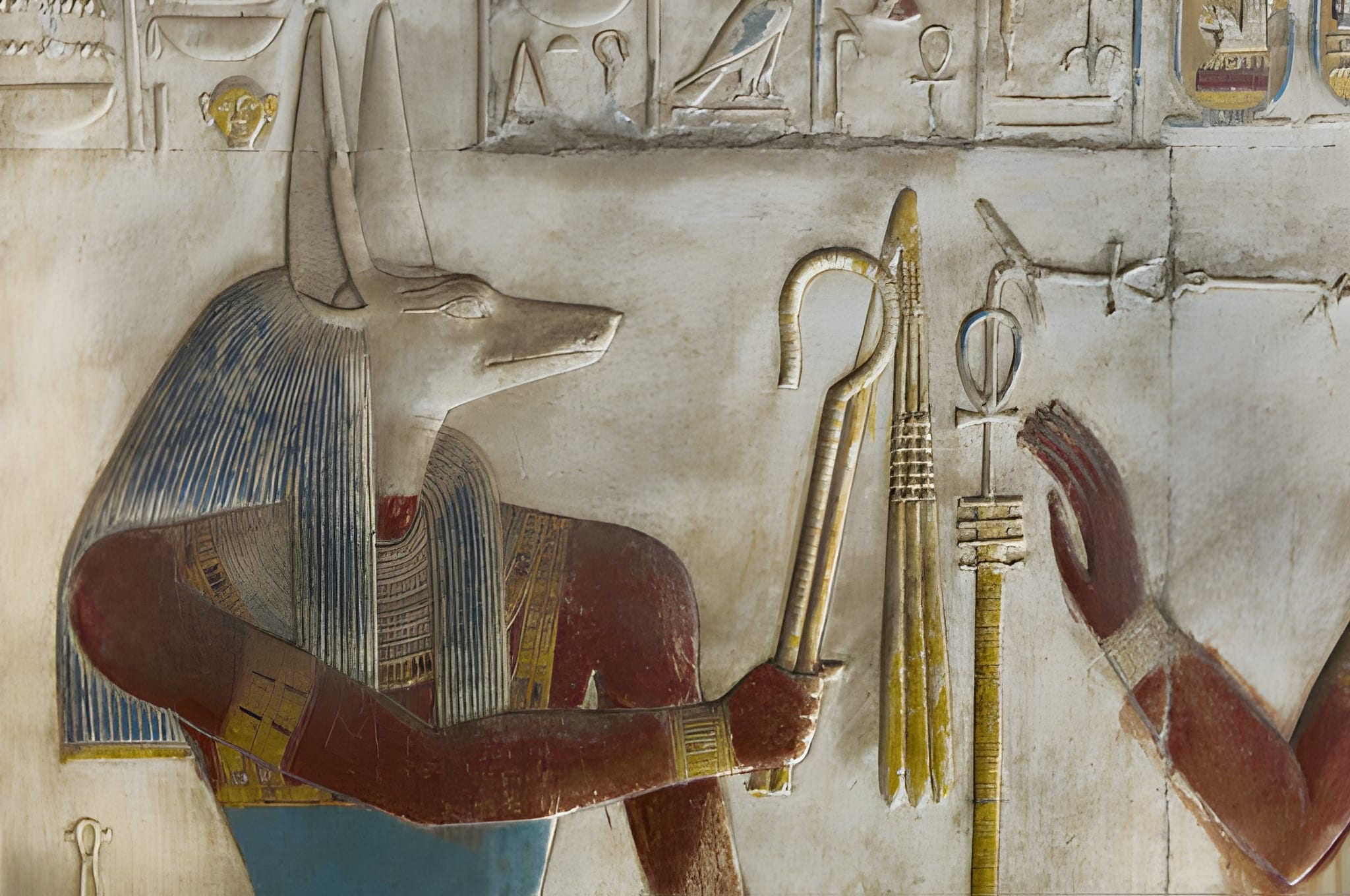
Obelisks held profound religious and political significance in ancient Egypt. They were often erected in pairs at the entrances of temples, symbolizing the sun god Ra and serving as rays of sunlight captured in stone. Pharaohs commissioned obelisks to celebrate their reigns and commemorate military victories or important events. The four-sided, tapering shaft ending in a pyramidion (the pointed top) represented a petrified ray of the sun, linking the earthly realm to the divine. The hieroglyphic inscriptions on their surfaces recorded the achievements and dedications of the rulers who raised them, making each obelisk a lasting monument to royal power and religious devotion.
Quarrying the Granite: The Birthplace of Obelisks
The majority of Egypt’s obelisks were carved from granite sourced from the quarries of Aswan, a city in southern Egypt renowned for its high-quality pink granite. The process began with identifying a suitable stone within the quarry, often requiring the selection of a flawless, massive block with no cracks or imperfections. Workers used dolerite balls—a hard igneous rock— to pound channels around the desired block, gradually freeing it from the bedrock. This method, though labor-intensive, allowed ancient stonemasons to extract monolithic slabs, sometimes weighing hundreds of tons.
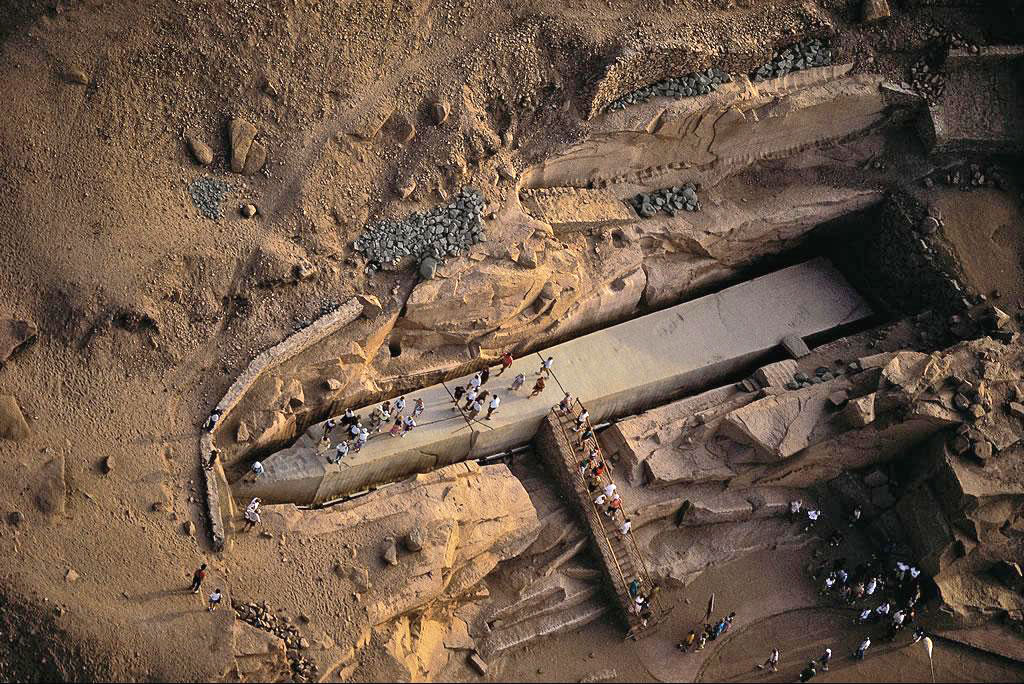
For visitors interested in witnessing the scale and technique of this ancient craft, the Unfinished Obelisk in Aswan remains partially attached to the bedrock, providing a unique glimpse into the quarrying process. The site is open during the summer season from 07:00 am, with last entry at 03:00 pm. Ticket prices are EGP 220 for foreign adults, EGP 110 for foreign students, EGP 20 for Egyptian adults, and EGP 10 for Egyptian students, with free entry for eligible groups per the Ministry of Tourism and Antiquities. All ticket prices are in Egyptian Pounds (EGP).
Carving the Obelisk: Tools and Techniques
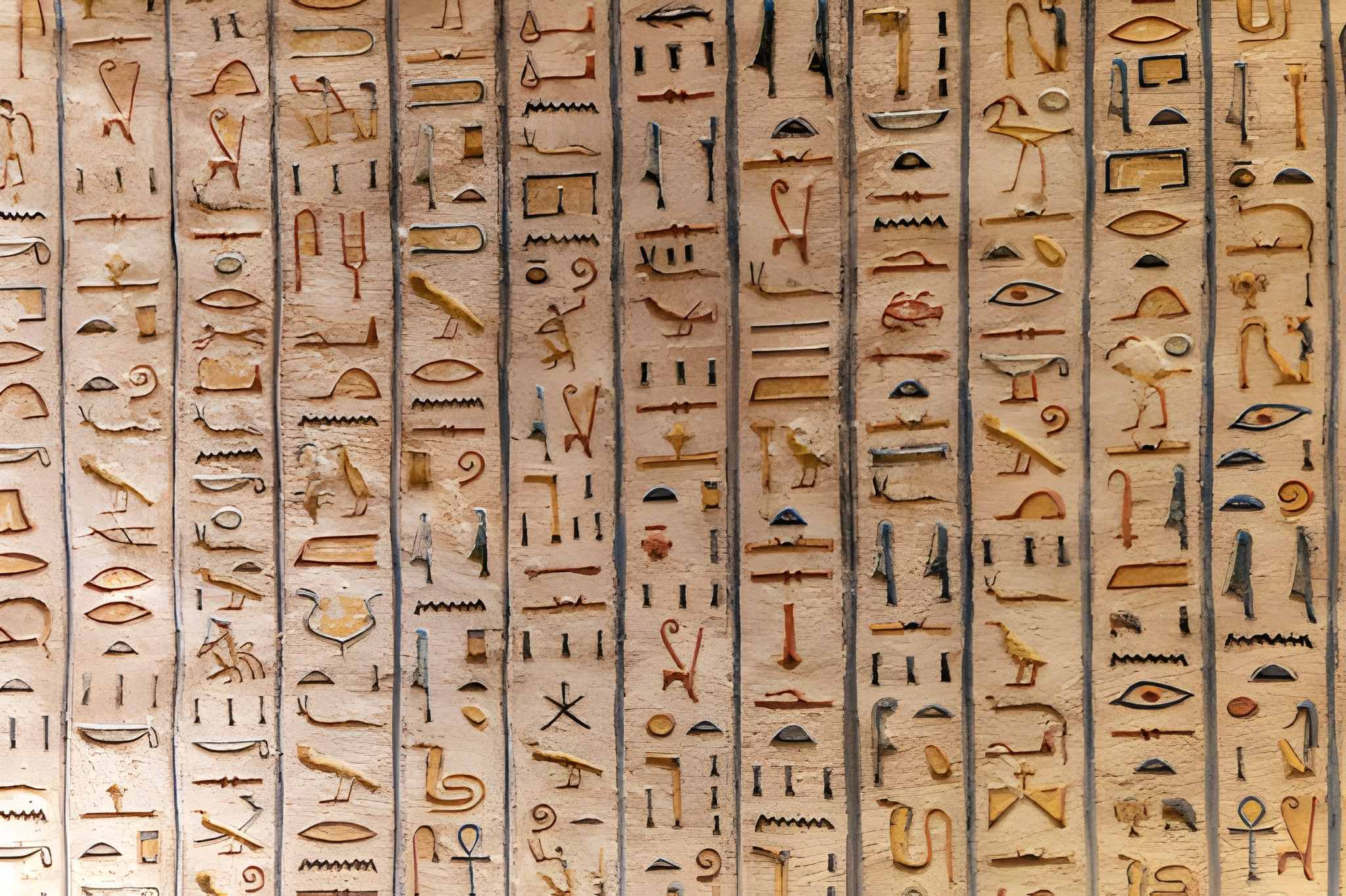
Once the granite block was separated from the quarry, artisans began the intricate process of shaping it into the classic obelisk form. Using copper chisels, stone hammers, and wooden wedges, workers meticulously smoothed the surfaces and carved the tapering shaft. The four sides were made as flat as possible, and the pyramidion was carefully shaped to catch the sun’s rays. Hieroglyphic inscriptions were added, often celebrating the pharaoh and invoking blessings from the gods. The precision required for these inscriptions, along with the symmetry of the obelisk, speaks to the advanced skills of ancient Egyptian stonemasons.
For those fascinated by ancient craftsmanship, exploring the Egypt Travel Guides can provide deeper insight into the tools, techniques, and artistry behind Egypt’s most famous monuments.
Transporting the Giants: Moving Obelisks from Quarry to Temple
Transporting an obelisk from Aswan to its final destination, sometimes hundreds of kilometers away, was a feat of logistical brilliance. Workers first maneuvered the massive stone onto wooden sledges. These sledges were hauled overland by large teams of laborers, with water poured on the sand ahead to reduce friction. Once at the Nile, the obelisk was loaded onto specially constructed barges for river transport. Reliefs from ancient tombs depict the elaborate process, showing hundreds of workers, ropes, and sledges in action. The journey required careful planning to avoid damage and ensure the obelisk’s safe arrival at the temple site.
Travelers interested in exploring Egypt’s ancient engineering feats may find a comprehensive tour package beneficial, as these often include guided visits to Aswan, Luxor, and other key archaeological sites.
Raising the Obelisk: Ancient Engineering Marvels
Once at the temple, the challenge shifted to erecting the obelisk upright. Ancient Egyptians are believed to have constructed massive earthen ramps and dug pits to help raise the obelisk into position. The base of the obelisk was placed at the edge of the pit, and the monument was gradually levered upright using ropes, wooden beams, and sheer manpower. The pit was then filled in to stabilize the structure. The precision needed to stand a multi-ton monolith perfectly upright is a testament to the ingenuity and organizational skills of ancient Egyptian engineers.
For a dramatic introduction to the monuments of Egypt, consider attending a Sound and Light Show at Karnak, where the history of obelisks and temples comes alive through storytelling and illumination.
The Unfinished Obelisk: A Window into Ancient Methods
The Unfinished Obelisk in Aswan is the largest known ancient obelisk, left incomplete due to cracks discovered during its carving. This site offers invaluable evidence of quarrying techniques, with dolerite pounding stones and tool marks still visible. Visitors can walk around the trench and observe the scale of the project, imagining the labor and coordination required to extract and move such a colossal stone. The Unfinished Obelisk remains one of the most instructive archaeological sites for understanding the complexities of ancient Egyptian stonework.
To make the most of a visit to this and other sites, remember that photography with a mobile phone is free of charge at Ministry sites, and card payment is available for site tickets at Giza via self-service machines, though card acceptance is not guaranteed everywhere.
Famous Obelisks in Egypt and Abroad
While many obelisks remain in Egypt, several were transported to foreign cities in the 19th century as diplomatic gifts or trophies. The obelisks of Luxor, Karnak, and Heliopolis are among the most celebrated in Egypt, with the Luxor Obelisk now standing in Paris and Cleopatra’s Needle gracing London and New York. These monuments continue to fascinate visitors worldwide, serving as enduring symbols of Egypt’s ancient power and technological prowess. In Egypt, the Karnak Temple in Luxor boasts some of the tallest standing obelisks, including those erected by Queen Hatshepsut and Thutmose I.
If you are curious about the broader appeal of Egyptian antiquities, you may enjoy reading about the fascination with ancient Egypt that has captivated travelers and scholars for generations.
Practical Tips for Visiting Obelisk Sites in Egypt
When planning a visit to obelisk sites, consider the best times to explore Aswan and Luxor to avoid the midday heat. Arrive at least one hour before closing time, as recommended by the Ministry’s official ticketing service, to ensure a relaxed visit. Free entry applies for children under 6, Egyptian seniors over 60, Egyptians with special needs, and orphaned children. Students under 24 with valid ID can access discounted tickets. All ticket prices at monuments are in Egyptian Pounds (EGP), and opening hours may be reduced during Ramadan, so check the official booking portal for updates. Mobile phone photography is free, but commercial filming requires prior permission.
For more detailed planning, including how many days to spend in Egypt and how to organize your itinerary, visit this practical guide to trip duration.
Combining Obelisk Exploration with Nile Cruises and Tours
Many travelers combine visits to Egypt’s obelisks with Nile cruises, which connect the major archaeological sites between Aswan and Luxor. A Nile cruise offers a comfortable and scenic way to experience the temples, tombs, and obelisks lining the riverbanks, with expert guides to explain the significance of each monument. Some cruises, such as the Dahabeya Anat, blend luxury with tradition, allowing guests to travel in a manner reminiscent of ancient times. This mode of travel provides easy access to the Unfinished Obelisk, Philae Temple, Karnak, and other highlights.
For those seeking an immersive journey, a Dahabeya Anat Nile Cruise offers a blend of comfort and historical exploration along the river.
Frequently Asked Questions
How were Egyptian obelisks carved from granite?
Ancient Egyptians used dolerite pounding stones to carve channels around a granite block in the Aswan quarries, then shaped the stone with copper chisels and stone hammers to create the obelisk’s classic form.
What is the Unfinished Obelisk, and why is it important?
The Unfinished Obelisk in Aswan is the largest known ancient obelisk, left incomplete due to cracks in the granite. It provides valuable insight into quarrying and carving techniques used by ancient Egyptians.
How did ancient Egyptians move obelisks from the quarry to their final location?
Obelisks were transported on wooden sledges hauled by teams of workers, then loaded onto Nile barges for river transport, and finally moved overland to temple sites using ramps and manpower.
Are there discounted or free tickets for visiting obelisk sites in Egypt?
Yes, free entry is available for children under 6, Egyptian seniors over 60, Egyptians with special needs, and orphaned children, per the Ministry of Tourism and Antiquities. Students under 24 with valid ID receive discounted tickets.
Is photography allowed at Egyptian obelisk sites?
Photography with a mobile phone is free of charge at Ministry sites, but commercial filming or professional photography requires prior permission.
What are the opening hours for the Unfinished Obelisk in Aswan?
The Unfinished Obelisk is open during the summer season from 07:00 am, with last entry at 03:00 pm, as published by the Ministry’s official ticketing service.