

Empowering the Future: A Deep Dive into Women’s Rights in Egypt
Women’s rights in Egypt have experienced a remarkable journey shaped by history, religion, politics, and social reforms. From the days of the pharaohs, when female rulers such as Hatshepsut and Cleopatra held immense power, to the modern era where Egyptian women are driving change in education, economics, and governance, the struggle for equality continues to evolve. Despite challenges, Egyptian women have shown resilience and determination to overcome societal barriers and demand their rightful place across all sectors. Understanding women’s rights in Egypt involves recognizing the nation’s cultural complexity, its Islamic and traditional influences, and its dynamic role in the Arab world.
In recent decades, Egypt has witnessed major transformations in its legal framework to support gender equality. Laws protecting women from harassment, expanding access to education, and promoting female political representation have been introduced. Yet, the path toward complete empowerment remains bumpy. Deep-rooted social norms and economic inequalities often limit progress. Still, Egypt’s women continue to challenge the status quo, creating new narratives through activism, innovation, and leadership. Their collective voice is shaping a modern vision of Egyptian society—one that values inclusion, justice, and opportunity for all.
As travelers exploring Egypt’s rich heritage, from the Pyramids of Giza to the Temple of Hatshepsut, it’s impossible not to notice the historic significance of women in the nation’s identity. Modern initiatives and civil movements continue to carry this legacy forward. Whether through education reforms, entrepreneurship, or government participation, the journey toward equality in Egypt reflects an unyielding desire to preserve women’s dignity and strengthen their role in society. This article delves deep into the multifaceted story of women’s rights in Egypt, exploring legal milestones, cultural shifts, and the evolving aspirations of Egyptian women in the 21st century.
Historical Background: The Legacy of Powerful Egyptian Women
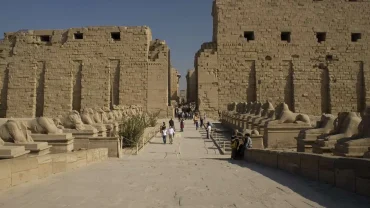
Women’s rights in Egypt are deeply rooted in ancient civilization. Egyptian women of antiquity enjoyed remarkable freedoms compared to their counterparts in other ancient societies. They could own property, initiate divorce, and manage businesses. Powerful figures like Queen Nefertiti and Cleopatra VII showcased female leadership centuries before modern feminism existed. The ancient respect for women’s roles can still be felt in monuments, temples, and artifacts scattered across the land, such as those found in Luxor City or at the Valley of the Queens.
However, with the arrival of different empires and religious rules, women’s positions fluctuated. Islamic jurisprudence introduced new social structures that emphasized family and morality but at times constrained public participation. During the 19th and early 20th centuries, Egyptian women spearheaded reform movements. Pioneers like Huda Sha’arawi became prominent advocates for education and gender equality, laying the foundation for future progress. The nationalist movements of the early 1900s saw women stepping into public life, demonstrating courage and patriotism while demanding independence from colonial rule.
Legal Milestones Defining Women’s Rights in Egypt
Legal reforms have played a critical role in shaping women’s rights in Egypt. The 1950s marked a turning point as women gained suffrage and access to education under President Gamal Abdel Nasser’s leadership. The Egyptian constitution has since recognized equality before the law, affirming that women have the same civil rights as men. In the 21st century, laws against sexual harassment, domestic violence, and female genital mutilation have been enacted. The National Council for Women, established in 2000, serves as a governmental body dedicated to advancing gender equality and monitoring policy implementation.
Despite these achievements, enforcement remains inconsistent. Social barriers often hinder women from claiming their rights, particularly in rural areas where traditions hold strong. Yet, progress persists. Egyptian women now occupy influential positions in parliament, business, academia, and diplomacy. With continued advocacy and awareness, the legal framework surrounding women’s rights in Egypt is gradually aligning with international standards of gender equality.
Education and Empowerment: Breaking the Cycle
Education stands as the cornerstone of women’s empowerment in Egypt. Over the last few decades, female literacy has significantly improved, and more women are entering universities and professional sectors. Education not only enhances personal growth but also transforms families and communities. Girls who pursue higher education are more likely to delay marriage, contribute to the economy, and raise healthier, more educated children.
However, rural Egypt still struggles with gender disparities in education. Cultural expectations and financial limitations often prevent girls from completing secondary school. To counter this, the government and NGOs have launched programs targeting girls’ education, vocational training, and digital literacy. These initiatives are vital for creating a new generation of women ready to lead Egypt into a more equitable future.
Economic Participation and Leadership
Women’s economic empowerment is a driving force behind Egypt’s development strategy. Today, women constitute nearly half of university graduates but only a fraction of the formal workforce. Reducing this gap is essential for achieving sustainable growth. The government has introduced microfinance programs to support female entrepreneurs, especially in small and medium-sized enterprises. Women-led businesses are emerging in diverse sectors, from technology to tourism, including ventures that highlight Egypt’s cultural treasures and hospitality industry, such as Best Egypt Travel Packages.
Women in leadership positions are reshaping the corporate and political landscape. Female ministers and parliamentarians are championing reforms related to family law, workplace equality, and environmental sustainability. Although representation remains modest, the momentum toward greater inclusion is undeniable. Empowering women economically not only raises living standards but also fosters innovation and resilience within communities.
Social Challenges and Cultural Transformations
Despite legal progress, Egyptian women still face social and cultural obstacles. Gender stereotypes, conservative attitudes, and economic hardship often intersect to limit women’s rights in Egypt. Issues such as gender-based violence, workplace discrimination, and limited mobility persist. Yet, the narrative is changing—particularly among younger generations who are embracing social media as a platform for activism and education.
Campaigns addressing harassment and gender equality have gained traction, sparking nationwide conversations that were once taboo. Egyptian women are using digital storytelling to highlight injustices, advocate for reform, and inspire solidarity. These movements have encouraged authorities to take firmer action against offenders and promote awareness through educational initiatives. Cultural evolution takes time, but grassroots efforts are steadily reshaping mindsets and fostering inclusivity.
Political Representation and Female Leadership in Egypt
Political engagement is a crucial dimension of women’s rights in Egypt. Over the past decade, female participation in governance has increased significantly. Quotas introduced in parliament have opened doors for women to influence policy decisions. These breakthroughs symbolize a broader shift in public perception—women are now recognized as essential contributors to national progress rather than passive observers.
Female leaders in Egypt are advocating for legal reforms that protect domestic workers, improve maternity benefits, and promote equality in inheritance. Political activism among women has evolved beyond traditional boundaries, encompassing human rights, environmental protection, and economic reform. This growing representation signals a positive step toward achieving true gender balance in Egyptian politics.
Modern Movements Empowering Women’s Rights
Modern Egyptian society is witnessing a surge of feminist and human rights movements dedicated to advancing women’s rights. These organizations provide legal aid, counseling, and advocacy services to victims of discrimination and abuse. Collaboration between governmental and non-governmental institutions is vital to translating policy into tangible progress. Public awareness campaigns, mentorship programs, and entrepreneurship initiatives are contributing to a more balanced society.
Tourism also plays a role in promoting cultural awareness about gender equality. Visitors exploring Egypt’s heritage—from the Aswan City to the Egyptian Museum—often engage with local communities where women artisans, guides, and entrepreneurs showcase Egypt’s evolving social identity. Their participation reflects empowerment through economic independence and cultural preservation.
The Road Ahead: Building an Inclusive Egypt
The future of women’s rights in Egypt hinges on education, legal enforcement, and cultural transformation. As the nation continues to modernize, the integration of women into leadership, science, and entrepreneurship will play a pivotal role in shaping its destiny. Encouragingly, many men are now joining the dialogue, recognizing that gender equality benefits the entire society. Collaborative programs between schools, local councils, and international organizations aim to promote gender-sensitive education and community development.
To achieve lasting change, Egypt must sustain its commitment to implementing laws that protect women, expanding access to resources, and eliminating discriminatory practices. Women’s rights are human rights, and Egypt’s progress in this area could serve as a model for other countries in the region. The vision for a balanced, inclusive Egypt is within reach—if collective efforts continue to drive reform and nurture respect for equality across all levels of society.
FAQs About Women’s Rights in Egypt
1. Are women’s rights protected by law in Egypt?
Yes, Egypt’s constitution guarantees equality between men and women. Numerous laws protect women from violence, harassment, and discrimination. The government’s National Council for Women monitors policies and advocates for further gender equality reforms.
2. What are the main challenges women face in Egypt today?
Women in Egypt contend with cultural barriers, economic inequality, and social stereotypes. Issues such as gender-based violence, limited access to leadership positions, and wage disparities remain prevalent, particularly in rural areas.
3. How has education improved women’s rights in Egypt?
Education has been transformative for women’s rights in Egypt. Increased female literacy and university enrollment have empowered women to pursue careers and participate in politics, gradually shifting traditional gender roles in society.
4. What organizations support women’s rights in Egypt?
Government entities like the National Council for Women and several NGOs, including grassroots advocacy groups, play critical roles in promoting legal reforms, raising awareness, and supporting victims of gender-based violence.
5. How do tourists perceive women’s roles in Egypt?
Tourists exploring Egypt’s wonders—from the Best Nile River Cruises to the Egypt Day Tours—often notice the growing visibility of women in hospitality, guiding, and art. This reflects the increasing empowerment of women in public and professional spaces, embodying Egypt’s continuous cultural evolution.

Comment (0)