
Coptic Cairo (Old Cairo): The Heartbeat of Egypt’s Christian Heritage
Coptic Cairo, also known as Old Cairo, stands as one of Egypt’s most sacred and historically rich districts. Nestled along the eastern bank of the Nile, this ancient quarter embodies centuries of faith, endurance, and architectural beauty. Walking through its narrow cobblestone alleys feels like stepping into a living museum—a portal to the earliest Christian era in Egypt. This place, often overshadowed by the grandeur of the Pyramids of Giza or the majesty of Islamic Cairo, offers an entirely different perspective on Egypt’s cultural and spiritual identity. Within its walls lie some of the oldest churches in the world, remnants of Roman fortresses, and echoes of the Holy Family’s footsteps during their flight into Egypt.
As one of the oldest inhabited parts of Cairo, Coptic Cairo reflects the soul of Egypt’s Christian community. It’s not merely a tourist attraction—it’s a spiritual sanctuary where faith, history, and art converge. Every stone tells a story, every church a chapter in a centuries-old saga of devotion. The scent of incense lingers in the air, mingling with the distant tolling of church bells. For modern travelers seeking an authentic experience, Coptic Cairo offers a captivating journey through time—one that connects the ancient and the divine. Whether you’re a pilgrim tracing biblical history or a curious explorer on your Egypt Day Tours, Old Cairo is an unforgettable encounter with Egypt’s Christian legacy.
The Historical Roots of Coptic Cairo
Long before Cairo blossomed into the bustling metropolis we know today, its oldest settlement grew around the ancient city of Babylon-in-Egypt. This fortified settlement, built by the Romans, would later become the foundation for what’s now known as Coptic Cairo. The Babylon Fortress, whose remains still stand tall, was strategically located to guard the Nile crossing and the canal connecting the Nile to the Red Sea. As Christianity spread across Egypt, this stronghold became a refuge for believers escaping persecution. Within its walls, they founded churches that still stand as witnesses to their faith, including the famed Hanging Church.
By the 4th century, the area had become a thriving Christian center. The Coptic Orthodox Church of Alexandria administered many of Egypt’s religious affairs from here. The district flourished as monasteries, chapels, and synagogues rose beside one another, reflecting Egypt’s harmonious mosaic of faiths. The importance of Old Cairo only deepened as the centuries passed, especially after the Arab conquest of Egypt in 641 AD. Even as the new Islamic capital of Fustat developed nearby, Coptic Cairo remained the beating heart of Egypt’s Christian life.
The Spiritual Significance: A Sanctuary of Faith
Coptic Cairo holds immense significance for Christians worldwide. According to tradition, the Holy Family—Joseph, Mary, and the infant Jesus—sought refuge here during their flight from King Herod. Their journey through Egypt, chronicled in the Journey of the Holy Family in Egypt, is one of the cornerstones of Egypt’s Christian identity. Within Coptic Cairo, the Church of St. Sergius and Bacchus, also known as the Abu Serga Church, is believed to be built atop the very crypt where the Holy Family rested. Pilgrims from across the world visit this sacred site to feel the spiritual aura that has lingered for centuries.
The area’s sanctity extends beyond its biblical ties. Over the centuries, Coptic monks and scholars preserved vital manuscripts, icons, and liturgical traditions. These treasures are now safeguarded within the Coptic Museum, an exceptional repository of Christian art and history. From intricately carved wooden icons to ancient manuscripts written in Coptic script, the museum narrates the faith’s evolution in Egypt through visual splendor.
Architectural Marvels of Coptic Cairo
The architecture of Old Cairo seamlessly blends Roman, Byzantine, and early Islamic influences. The Hanging Church, or Saint Virgin Mary’s Coptic Orthodox Church, is the crown jewel of this heritage. Suspended above the southern gate of the Babylon Fortress, it dazzles visitors with its wooden roof shaped like Noah’s Ark, exquisite icons, and marble pulpit. Nearby, the Ben Ezra Synagogue stands as a reminder of Egypt’s deep Jewish history, believed by some to mark the place where baby Moses was found in the Nile reeds.
Another architectural wonder is the Greek Orthodox Church of St. George, famous for its circular design and richly decorated interior. A short walk away lies the Church of St. Barbara, dedicated to one of the earliest Christian martyrs. Each structure within Coptic Cairo embodies a unique story, carved in stone and sanctified by faith.
The Interwoven Tapestry of Cultures and Religions
One of Coptic Cairo’s most intriguing aspects is its religious diversity. Within its modest boundaries, Christian, Jewish, and Muslim history coexist harmoniously. This coexistence is a microcosm of Egypt’s larger cultural fabric—a nation that has absorbed countless civilizations while maintaining its spiritual depth. The proximity of churches, a synagogue, and remnants of Roman ruins illustrates how faith transcends division. The air of mutual respect and shared sacredness makes Old Cairo a living lesson in tolerance and coexistence.
Modern-Day Coptic Cairo: A Living Testament
Despite modernization, Coptic Cairo has preserved its ancient charm. The stone alleys still echo with the hymns of ancient liturgies, and the busy markets retain their traditional feel. Travelers visiting the district today can experience not only history but also living tradition. Locals maintain their age-old customs, celebrating religious events such as Coptic Christmas with unmatched devotion. For those exploring Egyptian culture, a stroll through this quarter offers a genuine glimpse into the spiritual essence of the country—one that complements the grandeur of sites like the Egyptian Museum or the iconic Citadel of Salah El-Din.
Must-Visit Sites in Coptic Cairo (Old Cairo)
The allure of Coptic Cairo lies in its concentration of sacred landmarks. Each corner reveals a new discovery, inviting visitors to delve into its layered past. The must-visit attractions include:
The Hanging Church (El Muallaqa)
Perhaps the most renowned church in Egypt, the Hanging Church sits gracefully above the Roman gatehouse, giving it a floating appearance. Inside, the air is filled with the scent of incense and centuries of devotion. The church’s collection of icons, some dating back to the 8th century, embodies the spiritual artistry of Coptic civilization.
Abu Serga Church (Saints Sergius and Bacchus)
This humble yet profoundly sacred site is believed to have sheltered the Holy Family during their exile in Egypt. The crypt, accessible by descending stone steps, radiates tranquility and awe. Pilgrims often light candles here, seeking blessings and peace.
Ben Ezra Synagogue
Famed for its intricate wooden ceiling and historical importance, this synagogue stands as a symbol of Egypt’s once-thriving Jewish community. According to tradition, it marks the spot where Moses was drawn from the Nile.
The Coptic Museum
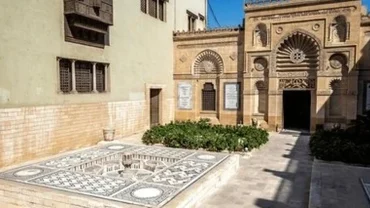
This museum is a treasure chest of early Christian artifacts—paintings, manuscripts, and textiles that chronicle Egypt’s spiritual journey. Its serene courtyards and well-curated exhibits make it one of the most enriching cultural experiences in Cairo, rivaling even the Best Cairo Travel Guide destinations.
Babylon Fortress
Dating back to the Roman era, the Babylon Fortress once guarded the entry to the Nile port. Its massive towers still stand, bearing silent witness to the transformation of Egypt’s ancient landscape. Within its walls, Christianity found a safe haven, thriving amid waves of change.
Travel Tips for Exploring Coptic Cairo
To fully savor the experience of Coptic Cairo, visitors should dedicate at least half a day to exploring the district. Guided tours often blend Coptic Cairo with nearby attractions like the Khan El-Khalili Bazaar or Islamic Cairo for a more comprehensive look at the capital’s spiritual heritage. Comfortable footwear is essential due to the cobbled streets, and modest attire is recommended when entering religious sites. For those planning longer stays or detailed itineraries, exploring through trusted operators such as Travme Tours can provide a seamless and insightful journey.
Visitors seeking cultural immersion can pair their Old Cairo exploration with other historical highlights—perhaps a trip to the Valley of the Kings in Luxor or a serene cruise aboard the Best Dahabiya Nile Cruise. Coptic Cairo, while compact, serves as a powerful prelude to Egypt’s larger historical narrative, connecting ancient faith with modern discovery.
FAQs about Coptic Cairo (Old Cairo)
What is the best time to visit Coptic Cairo?
The best time to explore Coptic Cairo is between October and April when temperatures are mild, and outdoor walks are pleasant. Morning hours are ideal to avoid crowds and enjoy peaceful visits to the churches and museums.
Is Coptic Cairo safe for tourists?
Absolutely. Coptic Cairo is among the safest parts of the capital. It’s well-guarded, and locals are welcoming. As with any travel destination, basic precautions and awareness enhance the experience. For updated safety guidelines, visitors can consult Egypt Travel Safety.
How can I reach Coptic Cairo?
Coptic Cairo is easily accessible via metro—get off at the ‘Mar Girgis’ station, located right beside the main attractions. Alternatively, taxis and private tours through agencies like Best Egypt Travel Packages offer comfort and convenience.
Are there entrance fees for visiting Coptic Cairo?
Most churches in Coptic Cairo are free to enter, though donations are appreciated. The Coptic Museum requires a modest entrance fee, which supports preservation efforts for Egypt’s Christian heritage.
Can visitors attend religious services in Coptic Cairo?
Yes. Many churches hold regular Coptic Orthodox services, particularly on Sundays and feast days. Visitors are welcome to observe respectfully, offering a rare opportunity to experience authentic Coptic liturgy and culture firsthand.
Coptic Cairo isn’t just a destination—it’s an experience that transcends time. It’s where Egypt’s layered past unfolds in whispers of prayer and echoes of history. For anyone passionate about culture, faith, and tradition, Old Cairo remains an unmissable chapter in the grand story of Egypt.
Comment (0)