
The Hanging Church: Cairo’s Timeless Coptic Treasure
Nestled in the heart of Coptic Cairo (Old Cairo), The Hanging Church stands as one of Egypt’s most iconic Christian landmarks and a symbol of the enduring faith that has shaped Egypt’s spiritual landscape for centuries. Known locally as Al-Muallaqa, meaning “the Suspended,” this church literally rises above history—quite literally hanging over the southern gate of the ancient Roman fortress of Babylon. The Hanging Church is not just a house of worship; it’s a living chronicle of faith, architecture, and resilience that embodies the soul of Coptic Christianity. Its awe-inspiring wooden ceiling, symbolic icons, and intricate marble pulpit whisper tales of Egypt’s early Christian era, when believers sought refuge under the shadow of fortresses and faith.
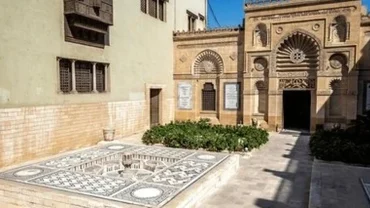
Dating back to the 3rd century AD, The Hanging Church remains one of the oldest and most revered churches in Egypt. It has hosted patriarchal enthronements, witnessed persecutions, and served as a cornerstone for the Coptic Orthodox Church’s identity. The church’s elevated design, beautiful mosaics, and serene courtyard make it a must-visit destination for travelers exploring Cairo’s spiritual heart. For those planning to uncover Egypt’s sacred treasures, The Hanging Church is an essential stop—a place where architectural beauty and divine devotion merge in perfect harmony. A visit here pairs perfectly with a stroll through the surrounding attractions like the Coptic Museum and the ancient Babylon Fortress Cairo, offering a captivating glimpse into Egypt’s layered religious heritage.
The Historical Significance of The Hanging Church
The Hanging Church is often cited as the spiritual heart of Coptic Christianity in Egypt. Built between the 3rd and 5th centuries AD, it was constructed atop the southern gatehouse of the Roman Babylon Fortress, symbolizing victory of the faith over imperial power. This architectural decision wasn’t merely aesthetic—it represented triumph, endurance, and elevation above adversity. Over time, The Hanging Church became the official residence of the Coptic Patriarch and the site where many patriarchs were selected and enthroned.
During the Arab conquest of Egypt, the church continued to thrive, adapting to new political landscapes while preserving its sacred traditions. The Hanging Church’s historical value extends beyond religion; it reflects Egypt’s multicultural past, where Roman engineering, Byzantine artistry, and Coptic devotion intersected. Visitors exploring Islamic Cairo often find this site a striking contrast—Christianity’s quiet endurance beside the grand mosques and bustling souks of a Muslim-majority capital.
Architectural Marvels of The Hanging Church
One of the most captivating aspects of The Hanging Church is its innovative design. The structure appears to “hang” above the old Roman gatehouse, supported by wooden beams and stone foundations—a feature that earned it its famous name. Inside, the church reveals a harmonious blend of Coptic, Byzantine, and Roman architectural influences. The wooden ceiling, shaped like Noah’s Ark, symbolizes salvation, while the twin bell towers add a graceful verticality that mirrors its spiritual aspiration.
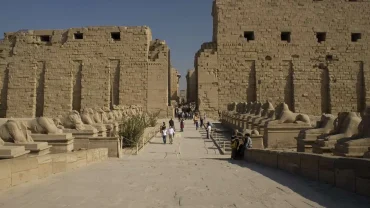
The marble pulpit, dating to the 11th century, is adorned with thirteen elegant pillars representing Christ and his disciples. The iconostasis—crafted from ebony and ivory—frames ancient icons that date back to the 8th century, each piece narrating biblical stories and the life of the Virgin Mary. The church’s use of light filtering through small arched windows creates a contemplative atmosphere that enchants pilgrims and photographers alike. When touring religious sites in Egypt, these architectural wonders rival the grandeur of other ancient gems like the Luxor Temple or the stunning Temple Of Philae.
The Role of The Hanging Church in Coptic Christian Heritage
For centuries, The Hanging Church has served as the beating heart of Coptic Christianity. It’s here that the patriarchs of Alexandria once resided, and it hosted major ecclesiastical councils that helped shape the doctrine of the faith. The church also safeguarded relics of saints and martyrs, drawing pilgrims from around the world seeking spiritual healing and divine connection.
The site’s proximity to other sacred landmarks, such as the Abu Serga Church and the Ben Ezra Synagogue, highlights the religious diversity that has coexisted in Old Cairo for centuries. Together, these sites embody Egypt’s reputation as a cradle of faith and refuge for multiple spiritual traditions. Walking through the narrow alleyways leading to The Hanging Church feels like stepping through time, where every stone and arch holds a whisper of devotion and endurance.
Legends, Miracles, and Symbolism of The Hanging Church
Local legends claim that The Hanging Church was once a site of miracles, with visitors reporting divine visions and answered prayers. Its elevated position was said to bring worshippers “closer to heaven,” a poetic reflection of its name. The sanctuary also houses remarkable icons, including one of the Virgin Mary known as ‘The Virgin of the Suspended Church,’ believed to possess healing powers.
The church’s architectural symbolism runs deep. The ark-shaped ceiling recalls Noah’s salvation, while the wooden beams symbolize faith’s strength amid storms. Every fresco, every carving, is rich with meaning, blending artistry with spiritual purpose. This depth of symbolism makes The Hanging Church a must-see for cultural travelers seeking to understand not just Egypt’s history but its heart. Pairing a visit here with tours like the Egypt Day Tours or the Best Egypt Travel Packages allows visitors to fully immerse themselves in the country’s sacred heritage.
Exploring The Hanging Church: A Traveler’s Experience
Stepping into The Hanging Church is an experience of serenity and wonder. Soft hymns echo through the nave as sunlight dances across ancient icons. Visitors are often struck by the exquisite woodwork, the mosaic floors, and the faint aroma of incense lingering in the air. The church’s interior layout—three naves, multiple altars, and a central sanctuary—invites quiet contemplation.
Outside, the courtyard bustles with pilgrims and tourists alike, while the stone steps leading up to the entrance evoke centuries of footsteps—each one a testament to faith’s continuity. Nearby, travelers can enjoy other spiritual and cultural gems like the Egyptian Museum or the lively Khan El-Khalili Bazaar. For those seeking a deeper connection to the Holy Family’s journey through Egypt, this church stands as one of the most poignant chapters in that sacred narrative.
Preservation and Restoration of The Hanging Church
Over the centuries, The Hanging Church has undergone extensive restoration to preserve its delicate wooden structures and priceless art. Rising Nile waters and environmental conditions once threatened its foundation, prompting major renovations during the 20th century. Today, conservation efforts ensure that the church’s original beauty remains intact, while modern engineering stabilizes its ancient support beams.
Egypt’s Ministry of Antiquities and the Coptic Orthodox Church have collaborated to restore frescoes, icons, and structural elements without compromising the church’s authenticity. The result is a breathtaking blend of old and new—a sacred space that honors its ancient roots while welcoming modern pilgrims. It’s no surprise that The Hanging Church continues to feature prominently in guides like the Best Cairo Travel Guide and is often included in cultural itineraries throughout Egypt.
Visiting The Hanging Church: Practical Travel Tips
Located in Old Cairo near the Mar Girgis metro station, The Hanging Church is easily accessible and open to visitors year-round. Early mornings offer the best lighting for photography, while Sunday mornings provide a chance to witness a real Coptic mass. Modest dress is recommended, as this is an active place of worship. The church is free to enter, though donations for upkeep are appreciated.
Travelers can combine their visit with nearby attractions like the National Museum Of Egyptian Civilization or enjoy a complete Cairo exploration through curated tours by Travme Tours. Whether you’re fascinated by architecture, faith, or history, The Hanging Church offers a profound experience that captures Egypt’s enduring spirit.
Frequently Asked Questions about The Hanging Church
Where is The Hanging Church located?
The Hanging Church is located in the heart of Coptic Cairo, just above the ancient gatehouse of the Babylon Fortress. It’s near the Mar Girgis Metro Station, making it easily accessible from any part of Cairo.
Why is it called ‘The Hanging Church’?
The church earned its name because it was constructed above the southern gate of the Roman fortress, giving it the appearance of ‘hanging’ in the air. This unique design symbolizes elevation, both architectural and spiritual.
What makes The Hanging Church historically important?
It served as the seat of the Coptic Patriarch and played a central role in shaping Coptic Christian identity in Egypt. It has also witnessed centuries of religious and cultural transformation, making it a key monument in Egyptian history.
Can tourists visit The Hanging Church?
Yes, The Hanging Church is open to visitors and pilgrims daily. Respectful attire is required, and photography is usually permitted inside. Guided tours often include it as part of broader Cairo or Coptic heritage itineraries.
What other attractions can be visited near The Hanging Church?
Nearby attractions include the Coptic Museum, Abu Serga Church, and Ben Ezra Synagogue. These sites together form the spiritual and cultural heart of Old Cairo, offering a well-rounded glimpse of Egypt’s religious harmony and heritage.
Comment (0)