
Al Azhar Mosque: The Timeless Jewel of Islamic Cairo
In the heart of Islamic Cairo, where history breathes through ancient walls and minarets scrape the Egyptian sky, stands Al Azhar Mosque—a masterpiece that embodies the soul of Egypt’s Islamic heritage. More than just a place of worship, Al Azhar has been a symbol of enlightenment, scholarly pursuit, and architectural beauty for over a millennium. Built in 970 AD by the Fatimid Caliphate, it remains one of the most significant mosques in the Islamic world and the oldest university still in operation. Every stone, courtyard, and arch tells a story of devotion, education, and cultural evolution.
Visiting Al Azhar Mosque isn’t merely an architectural tour—it’s a walk through time. The mosque’s grand structure spreads across the vibrant district of Cairo, surrounded by bustling souks and centuries-old madrassas. Within its sacred confines, scholars from every corner of the globe have debated theology, philosophy, and law. Its towering minarets, intricate calligraphy, and elegant marble floors continue to captivate visitors and worshippers alike. Whether you’re a traveler chasing Egypt’s spiritual side or a history enthusiast exploring the legacy that shaped Islamic civilization, this mosque is an unmissable destination.
When exploring Egypt’s cultural treasures, many travelers combine their visit to Al Azhar Mosque with iconic attractions such as the Khan El-Khalili Bazaar and the beautiful Al Azhar Park, creating an unforgettable immersion into Cairo’s living history. To make the most out of your trip, reliable operators like Travme Tours offer expertly curated experiences that reveal the story behind every stone and dome of this magnificent mosque.
The Historical Birth of Al Azhar Mosque
Al Azhar Mosque was commissioned by the Fatimid Caliph Al-Mu’izz li-Din Allah shortly after the founding of Cairo as the new seat of the Fatimid Empire. Construction began in 970 AD and was completed two years later. Initially designed as a congregational mosque for Friday prayers, it quickly became a center of Islamic learning, laying the foundation for what would become Al Azhar University. The mosque’s name, derived from ‘Al Zahra,’ meaning ‘the luminous,’ honors Fatimah al-Zahra, the daughter of the Prophet Muhammad, which illustrates its deep spiritual symbolism in the Fatimid identity. Over the centuries, Al Azhar has witnessed dynastic transitions—from Fatimids to Mamluks to Ottomans—each leaving their mark on its structure and academic evolution.
Today, Al Azhar stands not just as a religious landmark but as an enduring emblem of Islamic resilience and intellectual vigor. Its continuous operation for more than a thousand years signifies an unbroken chain of knowledge transmission bridging the medieval and modern worlds. No other institution in the Islamic world has maintained such influence in shaping theological, linguistic, and legal thought across generations.
Architectural Grandeur and Symbolism
The architectural brilliance of Al Azhar Mosque is a captivating blend of Fatimid, Mamluk, and Ottoman designs, reflecting Egypt’s layered history. Its five minarets, each added during different eras, rise gracefully above the old city skyline. The central courtyard, framed by marble arcades, serves as both a spiritual and social nucleus. Within, the prayer halls boast elaborately carved mihrabs, stucco decorations, and Kufic inscriptions that echo centuries-old artistry. Intricate geometric patterns, symbolic of divine unity, adorn the ceilings and walls, merging faith and art in perfect harmony.
As you stroll through its serene colonnades, the craftsmanship reveals the evolution of Islamic art. Mamluk sultans expanded the mosque, adding domes, new madrassas, and libraries filled with rare manuscripts. The Ottomans later introduced intricate tilework and restructured the minarets. Al Azhar’s design thus became a living museum of Islamic architecture. To explore further historical marvels nearby, visitors can head to the Sultan Hassan Mosque and the Mosque of Ibn Tulun, each reflecting unique phases of Cairo’s architectural evolution.
Al Azhar University: The Heart of Islamic Scholarship
Founded alongside the mosque, Al Azhar University has been a cornerstone of Islamic education for more than a thousand years. Initially focused on Shi’a theology under the Fatimids, it evolved into a Sunni institution after the Ayyubid period. Over time, its curriculum expanded to include Arabic grammar, Islamic jurisprudence, philosophy, logic, astronomy, and medicine. Its rigorous methodology and emphasis on debate produced generations of renowned scholars who contributed to Islamic thought globally. Many consider Al Azhar the most prestigious authority in Sunni Islam, issuing fatwas, guiding theological discourse, and shaping ethical standards across the Muslim world.
Al Azhar’s influence transcends Egypt’s borders. Students from Asia, Africa, and Europe have long flocked to its halls, forging an intellectual bridge between civilizations. This internationalism continues today, positioning the university as a modern hub for cross-cultural dialogue and religious understanding. For travelers eager to explore Egypt’s educational legacy, combining a visit to Al Azhar with other cultural institutions like the National Museum of Egyptian Civilization enriches the experience.
The Mosque’s Role in Egyptian Society
Beyond its academic and religious significance, Al Azhar Mosque has always been a catalyst for social and political movements in Egypt. It played a vital role during colonial resistance, becoming a rallying ground for intellectual and national reform. Scholars of Al Azhar were instrumental in preserving Egypt’s Islamic identity during times of upheaval. Even in modern times, it continues to influence moral guidance, ethical governance, and community solidarity. Its sermons often address contemporary issues, weaving together faith, reason, and social justice—a testament to its living legacy.
In the vibrant tapestry of Cairo’s Islamic district, Al Azhar remains an anchor of stability and inspiration. The mosque’s call to prayer harmonizes with echoes from nearby landmarks like the Citadel of Salah El-Din, painting a soundscape that connects centuries of devotion. Visitors often find themselves awestruck by the spiritual calm that envelops the mosque—a contrast to the lively energy just outside its gates.
Visiting Al Azhar Mosque: A Modern Pilgrimage
For travelers exploring Cairo’s sacred heart, visiting Al Azhar Mosque is a must. Open to worshippers and tourists alike, the mosque welcomes guests year-round. Modest attire is required, and guided tours are available to explain its intricate history and architecture. Early mornings and late afternoons offer the most tranquil experiences, with sunlight casting golden hues across its marble courtyards. The mosque’s location near vibrant attractions ensures every visit feels like stepping into a living museum of Islamic heritage.
Pair your exploration with nearby gems like the Hanging Church in Coptic Cairo or stroll through El Moez Street, where centuries-old mosques and palaces narrate the grandeur of Islamic civilization. For tailored travel experiences that encompass Cairo’s spiritual landmarks, check out the Egypt Day Tours curated by local experts for a holistic cultural journey.
Cultural and Spiritual Significance of Al Azhar Mosque
Al Azhar Mosque isn’t merely a monument—it’s the heartbeat of Islamic Cairo’s spiritual life. Every prayer, every lecture, every gathering held within its walls exudes the essence of Islam’s enduring message of peace and knowledge. Its influence extends across continents, shaping scholarly thinking and religious interpretation. The mosque’s minarets serve as beacons of enlightenment, calling believers to unity and reflection. When travelers step into its courtyard, they don’t just enter a mosque—they step into a millennium of faith and wisdom.
To fully grasp the spiritual aura of Al Azhar, one must experience it firsthand. From the rhythmic recitation of Qur’anic verses to the gentle hum of students studying under shaded porticos, the atmosphere blends devotion with intellectual pursuit. The balance between sacred duty and open inquiry defines Al Azhar’s unique identity. This duality—faith and reason—has kept it relevant through Egypt’s changing eras, echoing across generations.
Preservation and Restoration Efforts
Given its immense historical value, Al Azhar Mosque has undergone several restoration projects over the centuries to maintain its grandeur. Egyptian authorities and international heritage organizations have collaborated to restore minarets, reinforce structural foundations, and preserve ancient inscriptions. These efforts ensure that future generations can continue to experience its architectural and spiritual majesty. The recent restorations have revived original Fatimid designs while preserving later Mamluk and Ottoman additions, maintaining the mosque’s chronological authenticity.
Heritage preservation in Cairo extends beyond Al Azhar. Restoration of nearby monuments like the Alabaster Mosque and the Egyptian Museum complements the city’s broader effort to protect its cultural identity. Together, these landmarks tell the story of Egypt’s enduring relationship with art, faith, and learning.
Frequently Asked Questions about Al Azhar Mosque
1. When was Al Azhar Mosque built?
Al Azhar Mosque was built in 970 AD during the reign of the Fatimid Caliph Al-Mu’izz li-Din Allah. It was completed two years later, making it one of the oldest mosques in Egypt and the oldest continuously operating university in the world.
2. What is the significance of Al Azhar University?
Al Azhar University, established alongside the mosque, is one of the most influential centers of Islamic learning globally. It has shaped theological, philosophical, and linguistic thought across the Muslim world and continues to serve as a leading beacon of Sunni scholarship.
3. Can non-Muslims visit Al Azhar Mosque?
Yes, non-Muslims are welcome to visit Al Azhar Mosque, provided they dress modestly and respect the mosque’s prayer times. Visitors can explore its courtyards, admire the architecture, and learn about its spiritual and academic history with guided tours.
4. What are the best times to visit Al Azhar Mosque?
The best times to visit are early in the morning or late in the afternoon when the light enhances the mosque’s intricate details, and crowds are minimal. Fridays can be busier due to congregational prayers but offer a vibrant cultural experience.
5. How can travelers include Al Azhar Mosque in their Egypt itinerary?
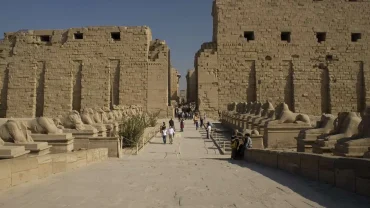
Travelers can easily include Al Azhar Mosque in their Cairo exploration along with landmarks like the Pyramids of Giza and The Karnak Temple. For seamless planning, visitors can opt for Best Egypt Travel Packages that combine spiritual, cultural, and historical experiences across the country.
Comment (0)