
The National Museum of Egyptian Civilization: A Timeless Tribute to Egypt’s Glorious Heritage
The National Museum of Egyptian Civilization, often abbreviated as NMEC, is one of Egypt’s most ambitious and remarkable cultural projects. Located in the ancient city of Fustat, now part of modern Cairo, this museum stands as a testament to over 5,000 years of Egyptian history, art, and innovation. Opened to the public in 2017, and officially inaugurated in 2021 with the iconic Royal Mummies Parade, the museum has quickly become a cornerstone of Egypt’s cultural renaissance. Unlike other museums that focus solely on antiquities, the NMEC presents a complete narrative of Egyptian civilization—from prehistoric times to the modern era—highlighting Egypt’s continuous influence on global culture, science, and art.
Walking through the museum’s elegantly designed halls feels like traversing a timeline carved in stone. The National Museum of Egyptian Civilization isn’t just a collection of artifacts; it’s an immersive experience blending heritage with cutting-edge technology. Through interactive exhibits, rare relics, and multimedia presentations, visitors can witness how Egyptians shaped human progress across millennia. Whether you’re a traveler exploring Egypt for the first time or an enthusiast seeking deeper insights into its legacy, NMEC offers an unparalleled journey through the soul of one of humanity’s oldest civilizations. For those planning a cultural expedition, integrating a visit to this museum with curated Best Egypt Travel Packages guarantees an unforgettable adventure.
The Vision and Purpose Behind the National Museum of Egyptian Civilization
Conceived as a national treasure and a global cultural hub, the National Museum of Egyptian Civilization was envisioned to unify Egypt’s past and present under one roof. The idea was first proposed in the 1980s, but it took decades of meticulous planning and international collaboration for the vision to materialize. The museum’s mission is not only to preserve Egypt’s tangible heritage but also to showcase the country’s continuous cultural evolution. By displaying artifacts from various eras—Pharaonic, Greco-Roman, Coptic, Islamic, and modern—the NMEC offers an inclusive portrayal of Egyptian identity that transcends time.
Unlike the The Egyptian Museum in Tahrir Square, which primarily focuses on the Pharaonic period, the NMEC contextualizes Egypt’s history as a living continuum. Its exhibits highlight how ancient traditions influenced later civilizations, fostering an appreciation for the deep roots of Egyptian culture. The museum also plays a vital educational role, inspiring research and innovation while serving as a resource for scholars, artists, and archaeologists. Through its modern facilities, lecture halls, and workshops, it acts as a dynamic bridge between the past and the future.
The Architectural Design: A Marriage of Modernity and Antiquity
The architectural brilliance of the National Museum of Egyptian Civilization mirrors Egypt’s duality—ancient and modern, timeless and evolving. Designed by Egyptian architect El-Gazzar, the structure harmoniously blends minimalist modern lines with symbolic elements inspired by the surrounding landscape. The museum overlooks Ain El-Sira Lake, the last natural lake in Cairo, creating a serene backdrop reminiscent of the Nile’s life-giving presence.
The building’s layout follows a chronological flow, guiding visitors through thematic galleries that narrate Egypt’s story through artifacts, art, and daily life objects. The museum’s materials—stone, glass, and metal—reflect Egypt’s rugged beauty and enduring strength. Its expansive spaces are purposefully designed to host major cultural events, lectures, and international exhibitions. The integration of sustainable design and natural lighting ensures that the museum remains environmentally conscious while providing an immersive visitor experience akin to walking through time itself.
The Museum’s Collections: A Journey Through Time
The NMEC’s vast collection spans all phases of Egyptian civilization. With over 50,000 artifacts, the museum celebrates Egypt’s cultural milestones chronologically and thematically. The main galleries are divided into sections that cover distinct aspects of life—such as crafts, religion, writing, kingship, and daily living. Each artifact tells a story of human creativity and social progression. From prehistoric tools to Islamic manuscripts, from Pharaonic jewelry to modern art, every piece reveals Egypt’s enduring genius.
One of the most captivating sections is the Royal Mummies Hall, which houses 22 royal mummies—18 kings and 4 queens—including the legendary Pharaoh Ramses II and Queen Hatshepsut. These mummies were transferred from the Egyptian Museum in Tahrir Square during the world-famous Royal Mummies Parade, a spectacle that captured hearts worldwide. Visitors enter the hall through dimly lit corridors, evoking a sense of sacred reverence. The atmosphere is both solemn and awe-inspiring, allowing guests to stand face-to-face with Egypt’s ancient rulers who once commanded the Nile valley.
Exhibition Highlights and Must-See Artifacts
Among the museum’s highlights are exhibits dedicated to the evolution of Egyptian crafts, textiles, and pottery, showing how art and functionality intertwined throughout history. The prehistoric gallery offers fascinating insights into early human settlements along the Nile, while the Pharaonic exhibits bring forth masterpieces like gilded coffins and intricately carved statues. The Coptic and Islamic galleries emphasize Egypt’s spiritual diversity and architectural splendor, showcasing icons, mosaics, and Quranic calligraphy.
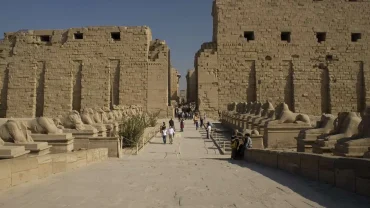
Visitors interested in Egypt’s artistic expression can also admire pieces that trace the development of hieroglyphic writing and decorative arts. These exhibits serve as a continuation of Egypt’s creative legacy, complementing experiences at historical sites like the The Karnak Temple and the Valley of the Kings. Each curated corner of the NMEC reinforces Egypt’s cultural continuity and its influence on contemporary art and design.
Technology and Interactivity in the National Museum of Egyptian Civilization
What truly sets the NMEC apart is its innovative use of technology. The museum employs augmented reality, immersive soundscapes, and digital storytelling to bring ancient history to life. Interactive screens allow visitors to explore historical maps, study ancient scripts, and even visualize how monuments once appeared. The Royal Mummies Hall, for instance, uses 3D imaging to present details about each ruler’s life, lineage, and burial rituals without compromising the sanctity of the display.
This modern approach not only appeals to tech-savvy travelers but also enhances educational engagement. Families visiting Egypt for cultural experiences can easily integrate a museum tour into their Egypt Day Tours, giving children and adults alike an opportunity to connect with history in an interactive, memorable way.
The Royal Mummies Hall: Egypt’s Eternal Monarchs
Undoubtedly, the crown jewel of the National Museum of Egyptian Civilization is the Royal Mummies Hall. This subterranean gallery was designed to simulate the atmosphere of the Valley of the Kings, ensuring visitors experience a profound sense of respect. The mummies are displayed in climate-controlled cases to maintain preservation standards, accompanied by information panels describing their reigns, tombs, and achievements. The procession that brought them here in April 2021 was an international media event, symbolizing Egypt’s commitment to honoring its ancestors while advancing into a modern cultural age.
Standing before these ancient sovereigns, one can’t help but feel a powerful connection to humanity’s shared history. It’s a reminder that Egypt’s civilization, though ancient, remains vibrantly alive. The NMEC transforms this reverence into education, blending emotion with insight in a way very few museums can match.
Visitor Experience and Cultural Programs
The museum isn’t limited to static exhibitions—it thrives as a lively cultural center. Regular events, workshops, and conferences focus on archaeology, conservation, and Egyptian identity. The museum’s amphitheater hosts performances that merge traditional music with contemporary interpretations, reflecting the country’s dynamic spirit. The NMEC also collaborates with international institutions, fostering cross-cultural dialogue and research partnerships.
Travelers exploring Cairo can easily combine their visit to the NMEC with trips to nearby landmarks such as Coptic Cairo (Old Cairo) and the stunning Al Azhar Park. These destinations together craft a comprehensive portrait of Egypt’s spiritual and artistic evolution. Tourists seeking more in-depth experiences should consider extending their journeys along the Nile with options like the Best Nile River Cruises, where history unfolds at every bend of the river.
How to Visit the National Museum of Egyptian Civilization
The NMEC is located in the Fustat area, easily accessible from central Cairo by taxi, metro, or private tour. The museum operates daily, and visitors can purchase tickets on-site or through authorized tour agencies like Travme Tours. Photography is permitted in most areas, except the Royal Mummies Hall, where silence and respect are paramount. Guided tours are available in multiple languages, ensuring international guests gain a comprehensive understanding of Egypt’s millennia-old story.
For those planning longer cultural itineraries, include NMEC in a multi-day package such as the 8 Day Cairo and Nile Cruise Tour. It’s the perfect combination of ancient exploration and modern comfort, offering seamless access to Egypt’s most famous attractions.
Frequently Asked Questions about the National Museum of Egyptian Civilization
What makes the National Museum of Egyptian Civilization unique?
The NMEC stands out because it’s the first museum in Egypt that covers the entirety of Egyptian civilization. Unlike others that emphasize the Pharaonic period, it connects ancient, medieval, and modern Egypt in one coherent narrative. Its Royal Mummies Hall and cutting-edge technology make it a one-of-a-kind experience.
Where is the National Museum of Egyptian Civilization located?
The museum is situated in Fustat, Cairo—the site of Egypt’s first Islamic capital. Its location provides historical context, bridging ancient Memphis and medieval Cairo. Visitors often explore it alongside nearby attractions like Islamic Cairo and Coptic monuments.
How can I buy tickets to the NMEC?
Tickets can be purchased at the museum’s entrance or via trusted travel operators. Many Egypt Luxury Tour packages include NMEC entry, ensuring hassle-free visits with professional guides.
What are the museum’s opening hours?
The NMEC typically opens from 9 AM to 5 PM, though hours may extend during weekends or special events. Evening cultural programs and seasonal exhibitions occasionally take place after regular hours, offering an enchanting nighttime experience.
Can I take photos inside the Royal Mummies Hall?
No, photography is prohibited inside the Royal Mummies Hall to preserve the delicate remains and maintain a solemn atmosphere. However, photography is allowed in other sections of the museum, letting visitors capture Egypt’s artistic legacy responsibly.
Conclusion: A Living Chronicle of Egypt’s Eternal Brilliance
The National Museum of Egyptian Civilization isn’t merely a repository of artifacts—it’s a living chronicle of Egypt’s soul. Every corridor echoes the whispers of pharaohs, artisans, scholars, and reformers who shaped humanity’s destiny. As the country continues to embrace modern innovation, the NMEC stands as a symbol of continuity and pride, inviting the world to rediscover Egypt—not as a relic of the past, but as a timeless civilization still radiating wisdom and wonder. For anyone tracing the footsteps of history, the NMEC is not just a destination—it’s an awakening.

Comment (0)